PeptiDream
Report Update:2026/06/05Location
3-25-23, Tonomachi, Kawasaki-ku, Kawasaki-shi, Kanagawa, 210-0821 Japan
Business content
As a bio-venture derived from the University of Tokyo, the company is developing pharmaceutical research and development utilizing its proprietary drug discovery and development platform, PDPS (Peptide Discovery Platform System), which focuses on special peptides.
Main Scheduled Dates
ーーー
Table of Contents
Summary
PeptideDream Co., Ltd., a biotech venture originating from the University of Tokyo, conducts pharmaceutical research and development utilizing its proprietary drug discovery platform “PDPS,” which focuses on specialized peptides. Its main business segments are drug discovery and radiopharmaceuticals; in particular, the drug discovery segment secures stable revenue through partnerships with domestic and international pharmaceutical companies.The Radiopharmaceuticals Business is advancing the development of a product portfolio specialized in cancer treatment. In 2022, the company acquired the business from Fujifilm Toyama Chemical, and further market expansion is anticipated. PeptideDream aims to maintain its competitive advantage through the rapid development of drug candidates and to provide innovative pharmaceuticals centered on its unique peptide drug discovery technology.For fiscal year 2025, revenue decreased by 60% from the previous year; while the radiopharmaceuticals business continued to grow steadily, the drug discovery and development business saw a significant decline. This was influenced by delays in drug discovery programs, and pre-tax losses also increased.Under the medium-term management plan, the company aims for revenue of 32,000 million yen and core operating profit of 4,600 million yen in 2026, with expanding the clinical development pipeline and strengthening strategic partnerships identified as key measures.While new partnerships are expected to accelerate R&D and drive growth in the radiopharmaceutical business, a wide range of business risks exist, including factors affecting earnings volatility, industry-specific risks, financial risks, supply risks, and regulatory risks.Peptidream is expected to become an attractive option for investors while aiming for sustainable growth and establishing its position as a company that contributes to the future of healthcare.
1. Summary of Cumulative Financial Results for FY2025
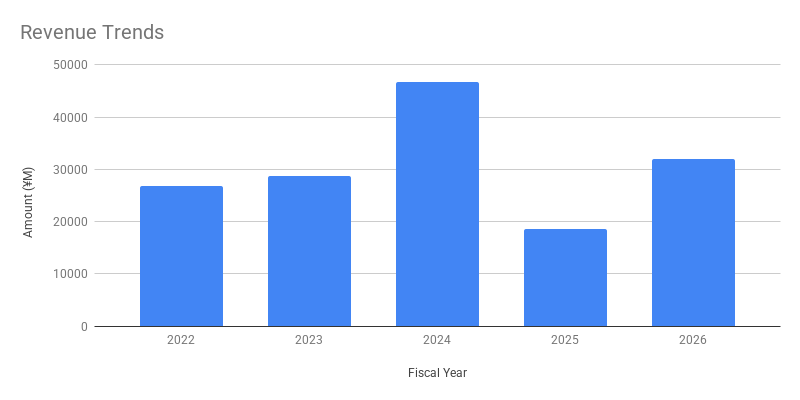
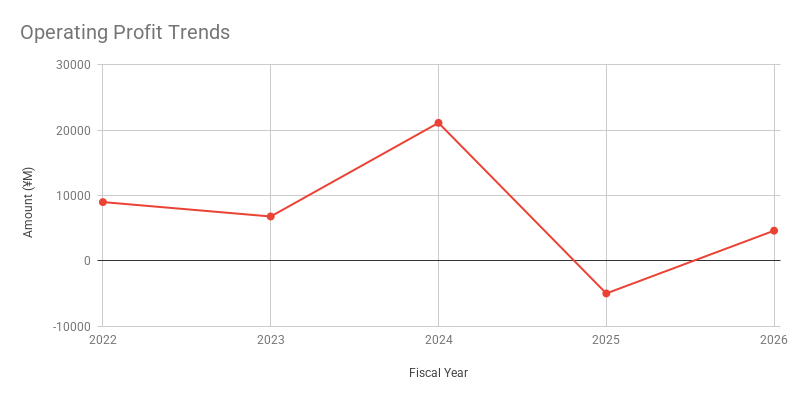
PeptideDream Co., Ltd.’s consolidated financial results for the fiscal year ending March 2025 (April 2024–March 2025) showed revenue of 18,521,234 thousand yen, a 60% decrease from the previous year,While sales in the radiopharmaceutical business reached 15,727,934 thousand yen, sales in the drug discovery and development business fell to 29 million yen.Due to delays in drug discovery programs and the status of partnerships, the pre-tax loss increased to 5,312,129 thousand yen. While the radiopharmaceutical business continues to grow steadily, delays in drug discovery and development are a notable risk factor.In the income statement, while the decline in sales is a concern, the cost of sales was 2,329,155 thousand yen, maintaining a healthy profit margin of 61.5%; however, the impact of reduced sales volume and costs associated with clinical trials is evident.Operating income recorded a loss of 5,267,782 thousand yen, necessitating the optimization of fixed costs and capital expenditures. On the balance sheet, total assets decreased from the previous year to 77,033,187 thousand yen, with a notable decline in cash and cash equivalents, which are highly liquid assets.Liabilities totaled 25,504,924 thousand yen, with high levels of interest-bearing debt posing a risk factor. In the cash flow statement, cash flow from operating activities resulted in an outflow of 13,276,876 thousand yen due to the pre-tax loss, indicating challenges in maintaining sustainable business operations.In terms of financial metrics, ROE and ROA are negative, and the core operating loss has reached 4,866,597 thousand yen, necessitating a review of management practices. PeptideDream requires strategic initiatives to drive future growth, and investors should closely monitor efforts to improve financial metrics and achieve sustainable growth.
2. Earnings Outlook for the Fiscal Year Ending March 2025
The earnings outlook for the fiscal year ending March 2025 projects revenue of 46,676 million yen, a decrease from the previous year, with particular concern over a significant decline in revenue from the drug discovery and development business. On the other hand, the radiopharmaceutical business is expected to continue stable growth, with revenue reaching 15,727,934 thousand yen.The pre-tax loss is projected to increase to 5,312,129 thousand yen, which is a factor contributing to instability in the company’s financial position. Peptidream plans to engage in continuous R&D to enhance the effectiveness of clinical development, and strategic investments are expected, particularly in response to the growth of the radiopharmaceutical market.The medium-term management plan sets targets of 32,000 million yen in revenue and 4,600 million yen in core operating profit by 2026, and measures to achieve these goals are required. In particular, expanding the clinical development pipeline and accelerating R&D through new partnerships will be key.For investors, while stable growth in the radiopharmaceutical business is anticipated, delays in drug discovery and development are being closely monitored as a risk factor. Peptidream must respond to market changes with a flexible strategy while monitoring the progress of drug development.
3. Medium- to Long-Term Growth Strategy
PeptideDream Inc.’s medium-to-long-term growth strategy, based on its medium-term management plan for 2021–2025, aims to create next-generation pharmaceuticals. The primary objectives are to achieve revenue of 32,000 million yen, core operating profit of 4,600 million yen, andand a core operating margin of 14.4% by 2026. To achieve this, the company is focusing on transitioning to an integrated model—from drug discovery utilizing the PDPS (Peptide Discovery Platform System) through clinical development to commercialization.Key initiatives include investing approximately 15% of R&D expenses in clinical trials for new drugs and the introduction of new technologies, with a particular focus on accelerating the development of new drugs utilizing cyclic peptides. Additionally, the company plans to strengthen partnerships with domestic and international pharmaceutical companies and aim to enter new market segments through joint research.Through these efforts, the company aims to advance the development of peptide-based pharmaceuticals specialized for cancer treatment and neurological disorders, with the goal of bringing them to market following clinical trials. Furthermore, growth is anticipated in the radiopharmaceutical business, and the company is expected to meet patients’ medical needs by providing new treatment options, particularly through collaboration with PDR Pharma.To address risk factors, it is essential to establish a system capable of flexibly responding to changes in the competitive environment through clinical trial progress management and market research. Through these measures, PeptideDream is expected to achieve sustainable growth and establish itself as a company contributing to the future of healthcare.
- PeptideDream Co., Ltd.’s cumulative results for FY2025 show a 60% year-on-year decline in revenue. While the radiopharmaceutical business continues to grow steadily, the company faces a situation requiring a management review as pre-tax losses increase due to delays in the drug discovery and development business.
- For the fiscal year ending March 2025, revenue is expected to decline from the previous year, with particular concern over the decline in the drug discovery and development business. Meanwhile, the radiopharmaceutical business is projected to grow steadily. The company will continue R&D efforts to enhance the effectiveness of clinical development, and its mid-term management plan targets revenue of 32,000 million yen andand core operating profit of 4,600 million yen
- Peptidream Inc. aims for revenue of 32,000 million yen and core operating profit of 4,600 million yen in 2026. The company plans to advance the development of peptide drugs specialized for cancer treatment and neurological disorders by transitioning to an integrated drug discovery model utilizing PDPS and strengthening partnerships with domestic and international pharmaceutical companies
Business Overview
1. Overview of the Business Model
PeptideDream Co., Ltd., a biotech venture originating from the University of Tokyo, conducts pharmaceutical R&D utilizing its proprietary drug discovery platform, “PDPS (Peptide Discovery Platform System),” which focuses on specialized peptides.The core of this business model is the discovery and development of specialty peptides through PDPS and their monetization via licensing agreements, with the aim of creating peptide drugs that possess high selectivity and binding affinity.
Peptide drugs are attracting particular attention in rapidly growing markets for the treatment of cancer, central nervous system disorders, and immune diseases due to their high therapeutic efficacy and relatively few side effects.PeptideDream has grown from a university-spinoff startup to occupy a significant position within the industry. In particular, within its radiopharmaceutical business, its subsidiary PDR Pharma contributes to cancer treatment using radiation, and the company is expected to contribute to the market in both diagnostic and therapeutic areas.
According to experts, PeptideDream is expected to continue strengthening its competitive advantage in niche markets within the pharmaceutical industry through the rapid development and commercialization of drug candidates. Specifically, proposing new peptide-based therapies and diversifying resources and managing risks through strategic partnerships will be crucial.
From every perspective, PeptideDream is positioned as a company that will continue to contribute to improving patients’ quality of life (QOL) by providing innovative pharmaceuticals, centered on its unique peptide drug discovery technology, and is expected to grow.
2. Main Business Segments
Peptidream consists primarily of two business segments. The first is the drug discovery and development business, which conducts joint research and development and licensing activities for pharmaceuticals using specialized peptides based on the PDPS platform.This business segment involves numerous partnerships with domestic and international pharmaceutical companies. In particular, relationships with Novartis and Eli Lilly account for a major portion of revenue through milestone payments and royalty income, contributing to the securing of stable earnings.
The second is the radiopharmaceutical business, which develops and markets a product portfolio specialized in cancer treatment. PDR Pharma is responsible for this business, and the development of new drugs utilizing radiation technology is underway.Radiopharmaceuticals are used for both diagnostic and therapeutic purposes, and this segment is expected to grow by addressing unmet needs in the medical field. In particular, the company acquired the radiopharmaceutical business from Fujifilm Toyama Chemical in 2022, and further market expansion is anticipated.
From an investor’s perspective, while the two segments carry different risks and returns, they are driving complementary growth strategies. In particular, high growth expectations are placed on the drug discovery and development business, and collaboration with the radiopharmaceutical business—a stable source of revenue—is likely to be a key factor supporting further growth.
3. The Company’s Market Position and Competitive Advantages
Peptidream has established a strong market position in the field of peptide drug discovery by leveraging its proprietary PDPS platform. The technology behind this platform enables the rapid identification of drug candidates, and the company’s superior technical capabilities—which competitors lack—are the source of its competitive advantage.Partnerships with international pharmaceutical companies such as Novartis and Eli Lilly have improved global market access and generated synergies through joint research.
Key features of PeptideDream’s technology include high specificity and delivery capabilities, enabling the provision of effective treatments for specific diseases. These characteristics are crucial for new drug development and are key factors underpinning expectations within the medical community. In particular, the company’s entry into the radiopharmaceutical market broadens the range of treatment options and offers new hope to patients.
From a strategic perspective, Peptidream strives to maintain and strengthen its sustainable competitive advantage by combining technological innovation with product development that meets market needs. This sustainability is a key factor in generating future growth opportunities.
4. Market Background
The pharmaceutical market as a whole is evolving, and the peptide drug discovery field, in particular, is experiencing remarkable growth.As the need for treatments for cancer and autoimmune diseases continues to rise, peptide-based pharmaceuticals are gaining attention as new therapeutic options. However, the market is becoming increasingly competitive, and since drug development requires significant investment and is subject to international regulations, it is increasingly important for companies to ensure their competitiveness.
Changes in healthcare policy and improved access to pharmaceuticals in Japan are key factors for the commercial success of peptide drugs. On the other hand, as the COVID-19 pandemic and other external factors are impacting the market environment, PeptideDream’s future business strategy must possess the flexibility to adapt to these changes.
For investors, how PeptideDream responds swiftly to market trends and its ability to adapt to new regulations and technological changes will be key indicators of the company’s future growth potential. It is essential to closely monitor the company’s approach while taking the market context into account.
5. Future Outlook
Key points to watch regarding PeptideDream’s future include, first and foremost, the expansion of its clinical development pipeline. As new drugs advance to clinical trials, commercialization is anticipated, leading to the provision of new treatments for patients. In particular, the development of specialized peptides in the field of cancer treatment is expected to address growing unmet medical needs.
Strengthening strategic partnerships is also a key point; expanding resources through collaboration with global pharmaceutical companies is expected to contribute to the development of new markets. Furthermore, although the radiopharmaceutical business faces intense market competition, further growth is anticipated if the company succeeds in promoting products based on its proprietary technologies and evidence.
Finally, responding to regulatory and policy changes is essential, and Peptidream must strengthen its commitment to realizing a sustainable society. The company is required to review its business strategy in line with changes in the healthcare system and continue to achieve sustainable growth with flexibility and adaptability.
As outlined above, Peptidream is expected to continue accelerating drug development and grow as a company that proposes valuable treatments for patients. As market stakeholders, it is essential to closely monitor future developments.
Financial Performance Trends
1. Recent Performance Overview
PeptideDream Co., Ltd. is a company specializing in peptide drug discovery technology, and its recent performance has been influenced by market changes and corporate strategy. Revenue for fiscal year 2025 was 18,521,234 thousand yen, a 60% decrease from the previous year.On the other hand, the radiopharmaceutical business continues to grow steadily, with sales reaching 15,727,934 thousand yen. Sales in the drug discovery and development business decreased to 29 million yen, a significant drop from the previous year’s 31,313,392 thousand yen.
This situation is attributed to delays in drug discovery programs, as well as the status of partnerships and licensing agreements. The pre-tax loss increased to 5,312,129 thousand yen, contributing to financial instability. However, in response to the growth of the radiopharmaceutical market, the company is committed to ongoing research and development to enhance the effectiveness of its clinical development efforts.From an investor’s perspective, while stable growth in the radiopharmaceutical business is expected, delays in drug discovery and development are viewed as a risk factor.
2. Analysis of the Income Statement
Based on the income statement, the decline in revenue for fiscal year 2025 is a major cause for concern; however, cost of sales stood at 2,329,155 thousand yen, resulting in a healthy profit margin of 61.5%.However, the significant year-over-year decrease in cost of sales suggests a structural issue, likely driven by reduced sales volume and costs associated with clinical trials.
Selling, general, and administrative expenses (SG&A) consist of labor costs of 747,247 thousand yen (30%) and other expenses of 835,752 thousand yen (35%). While these expenses represent investments made with the expectation of sustainable growth, they are out of alignment with the decline in revenue.Operating income recorded a significant loss of 5,267,782 thousand yen, and it will be necessary to optimize fixed costs and capital expenditures going forward. For investors, cost management will likely be a key factor determining the company’s sustainable growth.
3. Analysis of the Balance Sheet
The balance sheet shows that total assets amounted to 77,033,187 thousand yen, a decrease from the previous year, with a notable decline in cash and cash equivalents, which are highly liquid assets.Cash stands at only 28,682,933 thousand yen, raising concerns about tight working capital and a lack of liquidity necessary for new drug development. Liabilities total 25,504,924 thousand yen, which has also decreased year-over-year; however, the high level of interest-bearing debt remains a risk.
Equity stands at 51,528,263 thousand yen. As the company’s equity ratio has declined, immediate measures are urgently needed to maintain a sound capital structure. In particular, since reduced liquidity and accumulated debt could impact corporate growth, a review of the financial strategy is essential.For investors, ensuring the soundness of assets and maintaining liquidity are key considerations when assessing future risks.
4. Analysis of the Cash Flow Statement
The cash flow statement reveals that cash flow from operating activities for fiscal year 2025 resulted in an outflow of 13,276,876 thousand yen due to the impact of a pre-tax loss. This indicates difficulties in day-to-day operations and suggests problems with sustainable business management.Cash flow from investing activities is driven primarily by investments in tangible fixed assets totaling 1,642,938 thousand yen, reflecting an expectation of future growth; however, the sustainability of this cash flow remains a challenge.
The decline in free cash flow impacts the company’s financial health and carries risks for moving forward with investments. Since the company needs to secure liquidity and raise short-term funds, strategic cash flow management is essential. Investors are sensitive to cash flow conditions, and the sustainability of the business is a critical factor in their decision-making.
5. Analysis of Financial Ratios
In terms of performance metrics, both ROE (Return on Equity) and ROA (Return on Assets) are negative, and the fact that the core operating loss has reached 4,866,597 thousand yen is particularly problematic.EBITDA is also negative, necessitating a review of management practices. These figures indicate an urgent need for improvements to drive corporate growth, and a strategy for sustainable growth is required moving forward.
To foster corporate growth, it is crucial to review strategies, including restructuring and debt restructuring. As investors, we must closely monitor efforts toward sustainable growth alongside improvements in financial metrics. In particular, prudent judgment is required regarding the company’s actions to ensure that expansion into new markets and product development do not result in a critical outflow of capital.
Moving forward, it is necessary to carefully analyze the various challenges PeptideDream faces and make informed decisions as investors. Formulating appropriate strategies that take into account growth prospects, market positioning, and risk factors will likely lead to the company’s success.
Mid-Term Management Plan / Growth Strategy
1. Overview of the Mid-Term Management Plan
PeptideDream Co., Ltd.’s Mid-Term Management Plan is a strategic initiative covering the five-year period from 2021 to 2025.The core of this plan is “the creation of next-generation pharmaceuticals that transform healthcare and patients’ lives,” and the company utilizes the world’s most advanced drug discovery platform system, “PDPS®,” as the foundation for achieving this.In particular, the company is focusing on transitioning to a “Discovery & Development” model that integrates drug discovery, clinical development, and commercialization, aiming to respond swiftly to market needs essential for drug development.
The targets set for this mid-term plan are revenue of 32,000 million yen, core operating profit of 4,600 million yen, and a core operating profit margin of 14.4% by 2026; these are positioned as steps toward realizing PeptideDream’s vision of becoming a “global pharmaceutical company.”These figures are achievable through concrete results and will serve as factors that build investor confidence.
Key management challenges include optimizing resources in line with the expansion of the clinical development pipeline and establishing a framework for product commercialization. To achieve these management goals, it is essential to concentrate resources and technology in five strategically selected priority areas, thereby creating a system capable of rapidly delivering high-quality pharmaceuticals to patients.
2. Key Initiatives and Investment Plan
PeptideDream’s investment plan, based on its mid-term management plan, prioritizes research and development (R&D) and capital expenditures. Specifically, the company plans to invest approximately 15% of its revenue in R&D, with these funds allocated to clinical trials for new drugs, the introduction of new technologies, and the launch of new product lines.For fiscal year 2024, the company anticipates capital expenditures of approximately 20 billion yen, particularly to promote new product development and technology adoption.
Furthermore, the company has established a policy to maximize the utilization of resources for the creation of peptide pharmaceuticals, and in particular, will fully leverage the technical uniqueness of PDPS® to advance its ongoing clinical trial programs.Furthermore, through our partnership with PDR Pharma, we are making progress in the radiopharmaceutical field and accelerating the development of new drugs utilizing cyclic peptides in particular. Through this, we aim to find optimal solutions that meet patients’ medical needs by providing innovative treatments.
From an investor’s perspective, in addition to growth expectations stemming from these priority initiatives, entry into new market segments is expected to contribute to future revenue growth. However, given the risks associated with new investments, careful judgment is required.
3. New Businesses and Growth Strategies by Business Segment
As part of its growth strategy for both new and existing businesses, Peptidream is primarily diversifying its product portfolio using peptides. In particular, the company is focusing on the development of new pharmaceuticals utilizing cyclic peptides, creating new products centered on multi-functional peptide complexes (PDCs) and multifunctional peptide complexes (MPCs).
In expanding new business ventures, the company plans to collaborate with domestic and international pharmaceutical companies, conduct joint research utilizing innovative technologies, and develop new product lines. Additionally, the company aims to develop peptide-based pharmaceuticals specialized for cancer treatment and neurological disorders, with the goal of bringing them to market following clinical trials.Furthermore, it is important to maintain competitiveness by constantly making new improvements to existing products, while maximizing the benefits of PDPS® in particular.
Through the success of this growth strategy, Peptidream aims to establish itself as a global leader in peptide-based pharmaceuticals, striving to balance corporate growth with social contribution. The success of new product development will strengthen the future revenue base and make the company an attractive option for investors.
4. Outcomes, Expected Effects, and KPIs
In PeptideDream’s medium-term management plan, outcomes and expected effects are defined through clear KPIs.For the fiscal year ending December 2026, specific targets have been set: revenue of 32,000 million yen, core operating profit of 4,600 million yen, and an operating profit margin of 14.4%. Measures to achieve these targets form a key pillar of the plan.
For investors, these KPIs serve as key indicators and provide a benchmark for evaluating progress toward achieving these goals in real time. In particular, increased sales will result in meeting customer needs and serve as a foundation for achieving sustainable growth.Furthermore, with plans for a broad product line and entry into new markets, these initiatives are expected to enhance competitive advantage and strengthen brand power.
However, challenges to growth are also becoming apparent, and optimizing resources in light of the expanding new clinical development pipeline is an essential task. Therefore, establishing a system capable of effectively managing this is indispensable for sustaining long-term growth.
5. Approach to Risk Factors
As Peptidream advances its mid-term management plan, appropriately addressing risk factors is essential. Since new product development is constantly influenced by market and regulatory trends, the company must conduct ongoing market research and competitive analysis to identify risks in advance. In particular, failures in clinical trials or the inability to obtain regulatory approval could have a significant impact on the company’s revenue.
Furthermore, as the healthcare industry is characterized by rapid technological innovation, the company must demonstrate the ability to develop flexible strategies while maintaining compliance. By adopting diverse treatment approaches and adapting swiftly to market fluctuations, sustainable growth is anticipated. Risk management measures will also instill confidence in investors and contribute to enhancing the company’s credibility.
By implementing these measures, PeptideDream is expected to advance the development of next-generation pharmaceuticals and drive transformation. We anticipate that the mid-term management plan and growth strategy will pave the way for delivering innovative pharmaceuticals to patients worldwide.
Peptidream’s mid-term management plan and growth strategy are designed with sustainable growth in mind, based on a clear vision and the development of meticulous measures that prioritize scientific and technological advancements. Through these strategies, Peptidream is expected to contribute to the future of healthcare while also becoming a source of attractive growth opportunities for investors.
News & Topics
1. Pipeline Expansion and Initiation of New Clinical Trials
PeptideDream Inc. is advancing the clinical development of various new drug candidates based on its drug discovery platform, “PDPS®.” Of particular note is the initiation in November 2025 of the Phase 2 clinical trial for ALXN2420, which is being developed by Alexion.This trial aims to explore new treatment possibilities for patients with severe acromegaly, and if successful, it could have a significant impact on the market. Additionally, the company has achieved an important milestone in its joint research and development program with Asahi Kasei Pharma, raising expectations for future results.
According to experts, the progress of these clinical trials demonstrates Peptidream’s ability to respond flexibly to market needs, and a successful launch of a new drug could directly boost the company’s valuation. This progress is also noteworthy for investors who have high expectations for the company.
In the short term, clinical trial results may influence the company’s stock price, while in the medium to long term, increased revenue from new drug sales is anticipated if the trials are successful. Therefore, the expansion of the pipeline and the progress of new trials are major concerns for investors.
2. Growth of the Radiopharmaceutical Business
PD Pharma Co., Ltd., a subsidiary of Peptidream, has achieved remarkable results in expanding its radiopharmaceutical business. In September 2025, an additional indication for MIBG-I131 for neuroblastoma was approved, strengthening the company’s market share.Additionally, in October 2025, clinical trials for the radiopharmaceutical 64Cu-PSMA-I&T commenced, and these are expected to represent a new approach to prostate cancer treatment. This field is projected to grow rapidly in the future, and the revenue outlook for the domestic market is bright.
Experts point out that the growth of this radiopharmaceutical business has the potential to fundamentally transform PeptideDream’s business model. In particular, because radiopharmaceuticals require a high level of expertise, they are expected to differentiate the company from competitors and serve as a stable source of revenue.
From an investor’s perspective, the radiopharmaceutical market is expected to grow, so it is likely to remain highly attractive for long-term investment. While a rise in the stock price is anticipated in line with the growth of this business, a key risk is the company’s dependence on the progress of new drug approvals and market launches.
3. Accelerating R&D Through New Partnerships
In recent years, Peptidream has been actively pursuing partnerships with international pharmaceutical companies.Notable examples include the development agreement with Lilly for COVID-19 announced in 2022 and the radiopharmaceutical development agreement with Bristol-Myers Squibb in 2025. These partnerships are expected to optimize resources, accelerate new R&D initiatives, and strengthen the company’s global influence.
Experts believe that accelerating R&D through such new partnerships is a key factor in enhancing a company’s competitiveness. In particular, strengthening international networks will improve the speed of drug development and market launch, increasing opportunities to generate revenue sooner.
For investors, the strategic benefits derived from this partnership are of particular interest. Expanded access to new technologies and market development opportunities could serve as catalysts for corporate growth. Therefore, it is essential to closely monitor future contract developments and partnership progress.
4. Financial Condition and Market Impact
PeptideDream’s consolidated financial results for 2025 are projected to show revenue of 46,676 million yen, though this represents a decrease compared to the previous year. Specifically, while Core operating income turned to a loss, this is viewed as an investment in new drug development, and the company’s long-term growth potential is being recognized.In particular, supported by a stable revenue base from the radiopharmaceutical business, further progress in clinical development and improved profitability are anticipated.
According to experts, the short-term deficit is viewed as a necessary investment for new drug development, giving the company potential as a business capable of generating future profits. As the market as a whole matures, securing a stable revenue base is crucial, and PeptideDream’s current situation is seen as contributing to strategic choices in future market expansion.
From an investor’s perspective, while a short-term decline in profits is a concern, the company remains an attractive investment opportunity when viewed through the lens of long-term growth. The growth of the radiopharmaceutical business is expected to contribute to improved profitability, and a corresponding recovery in the stock price is anticipated.
5. Strengthening Global Competitiveness
PeptideDream is advancing its international expansion both domestically and abroad. The company is strengthening its approach to overseas markets through licensing agreements and joint research programs, and is establishing a presence particularly in the Asian market. The development of PDC and MPC is being conducted in collaboration with global pharmaceutical companies, raising expectations for the opening of new markets.
Experts believe this international expansion is a key factor in enhancing the company’s overall competitiveness. Product development that flexibly responds to the needs of overseas markets will serve as a driver of corporate value growth.
For investors, this strengthening of global competitiveness is also an attractive feature, and there are high expectations for the profits that will result from expanding market share, particularly in growth markets. However, since international expansion also carries risks, it is necessary to pay close attention to policy changes and market competition.
6. Support Policies and Future Outlook
PeptideDream has set the development of next-generation pharmaceuticals that will transform the future of medicine as its mission, and prioritizes “strengthening EPC” and “developing new technologies and businesses” as part of its management strategy.Furthermore, the company strives to implement specialized training programs both internally and externally with the aim of fostering a diverse workforce. This enhanced focus on human resource development is expected to drive future business expansion and technological innovation.
According to expert opinions, the digitization of healthcare and the utilization of AI and big data are expected to lead to the discovery and commercialization of new treatments for PeptideDream. Consequently, the company’s competitive advantage is expected to increase in the future, leading to an improved position within the overall pharmaceutical market.
From an investor’s perspective, these strategic initiatives contribute to the company’s future growth. The introduction of such new technologies is expected to advance the development of innovative pharmaceuticals and improve profitability. Therefore, it is important to continue monitoring PeptideDream’s progress and the results of these efforts.
Through its fiscal 2025 performance, pipeline expansion, and new partnerships, Peptidream is charting a solid growth strategy. As expectations for future developments rise, there is no doubt that its progress will be closely watched by the investment community.
Company Overview
1. Basic Information
PeptiDream Inc. is a biotech venture established in 2006 within the University of Tokyo. Headquartered in Kawasaki City, Kanagawa Prefecture, the company is led by President and CEO Reed Patrick.PeptiDream specializes in peptide-based drug discovery and aims to develop therapeutics for cancer, CNS (central nervous system) disorders, and immune diseases. In particular, the company focuses on generating drug candidates from specialized peptides using its Peptide Drug Discovery Platform System (PDPS).
The company is characterized by its drug development pipeline of over 120 projects and its unique technology licensing agreements established through alliances with domestic and international pharmaceutical companies. Major partners include leading firms such as Novartis, Eli Lilly, and Merck.Furthermore, the company is diversifying its pharmaceutical portfolio through the establishment of PDR Pharma, a subsidiary engaged in the development of radiopharmaceuticals. This basic information is essential for understanding the company’s strengths and will serve as a reference for investors when evaluating its growth potential.
2. History and Key Milestones
PeptideDream’s history traces the company’s journey toward innovative drug development. Since its founding in 2006, the company has worked to build a proprietary peptide drug discovery platform based on expertise from the University of Tokyo.Subsequently, in 2013, the company listed on the Tokyo Stock Exchange Mothers Market and achieved rapid growth. In 2015, it advanced to the First Section of the Tokyo Stock Exchange, enhancing the company’s credibility and recognition.
The appointment of Mr. Reed Patrick as CEO in 2017 spurred new innovations in business operations and led to the restructuring of the R&D organization.In 2018, the company relocated to “King Skyfront,” an international strategic hub in Kawasaki City, Kanagawa Prefecture, with the aim of further expanding its R&D capabilities. Additionally, a significant milestone was the launch of a joint venture with Mitsubishi Corporation in 2020 to expand its radiopharmaceutical business.
These key events clearly chart a course for Peptidream to enhance its competitiveness within the industry and achieve sustainable growth. As investors track the company’s progress, understanding its strategic evolution is crucial for making informed investment decisions moving forward.
3. Organizational Structure and Key Management
Peptidream has established a robust organizational structure supported by a diverse team of experts.Under the leadership of CEO Reed Patrick, the executive team fulfills roles that require extensive experience in the pharmaceutical industry. In particular, the CSO (Chief Scientific Officer) focuses on establishing new drug development strategies and applying extensive scientific knowledge to projects.
Experienced professionals have also gathered in the sales and development departments to drive innovative projects in the field of drug discovery.Additionally, Masato Murakami, Executive Vice President (EVP) of the Radiopharmaceuticals Business, plays a key role in shaping the company’s growth strategy by leveraging his expertise in international pharmaceutical development. Under this specialized management team, Peptidream has defined a clear strategic vision for achieving sustainable growth.
The organization’s flat decision-making process enables rapid response and contributes to success in the highly competitive pharmaceutical market. Peptidream’s robust organizational structure is key to supporting the company’s growth.
4. Business Activities and Strategy
Peptidream’s core business is the research and development of peptide-based pharmaceuticals. The company is divided into two business segments—peptide drug discovery and radiopharmaceuticals—through which it is pursuing business diversification.In the peptide pharmaceuticals sector, the company uses PDPS to generate drug candidates from specialized peptides and is dedicated to developing treatments for cancer and neurological disorders.
In addition, the radiopharmaceutical business plays a particularly important role in the domestic market.Through PDR Pharma, the company is advancing the development of a wide range of radiopharmaceuticals for both therapeutic and diagnostic use, and is already providing products to the market that meet the needs of the medical field. By leveraging the synergies between these two businesses, Peptidream aims for sustainable growth while continuing to provide innovative solutions to the medical field.
This is part of PeptideDream’s competitive edge; for investors, it represents a long-term growth vision and serves as an indicator of the company’s future potential. These business strategies also serve as a foundation for capturing new market opportunities while maximizing the use of existing technologies.
5. Geographic Expansion and Partnerships
PeptideDream Inc. operates with a global perspective and places great importance on strategic partnerships with international pharmaceutical companies.The company has alliances with approximately 20 leading pharmaceutical companies, including such renowned firms as Novartis, Eli Lilly, Merck, and Johnson & Johnson. This enables PeptideDream to achieve rapid product development in international markets and provides opportunities to deploy its technologies globally.
Furthermore, the company is expanding into various national markets and promoting product development that complies with international regulations. For example, by conducting clinical trials and meeting product regulatory requirements, it is establishing a solid foothold in the highly competitive pharmaceutical market. This international expansion serves as a driving force for PeptideDream’s growth and is a key factor in meeting investor expectations.
PeptideDream’s partnerships stimulate market demand for the company’s technologies and products and accelerate the development of new drug candidates. Therefore, its future developments warrant close attention, and it is important for investors to assess the outcomes of these strategic collaborations.
6. R&D Structure and Technological Innovation
Peptidream maintains a proprietary R&D framework, establishing a solid foundation to sustain its competitiveness within the industry. By leveraging advanced peptide drug discovery technologies and focusing on new drug development, the company aims to create pharmaceuticals that exceed industry standards.Furthermore, the company strives to incorporate the latest scientific knowledge through joint research projects with academia and other industry players.
In particular, technological innovation in R&D is a key factor in enhancing PeptideDream’s competitiveness, and the company secures its market advantage by introducing new insights and methodologies. As a result, numerous peptide-related products have been launched into the market, and they are expected to contribute to next-generation medical innovation.
Therefore, PeptideDream is promoting a strategy focused on the future of the peptide pharmaceutical market through sustainable R&D progress. This approach is attractive to investors, and it is necessary to closely monitor the company’s future business developments.
7. ESG and Sustainability Initiatives
Peptidream Inc. is earnestly committed to corporate social responsibility (CSR) and ESG (Environmental, Social, and Governance) initiatives.Raising awareness of climate change and social issues while aiming for sustainable growth is considered essential in modern corporate activities. Specifically, the company is implementing various measures, including reducing greenhouse gas emissions, ensuring sustainable business operations, and contributing to local healthcare.
Leveraging the advantages of being headquartered in Kawasaki City, the company is expanding its business to meet social needs while strengthening collaboration with local healthcare providers. These initiatives not only enhance the company’s reputation but also contribute to the long-term improvement of corporate value.
For investors, a company’s sustainability initiatives are a key factor in investment decisions. Since PeptideDream’s enhanced ESG efforts have the potential to directly contribute to risk management and improved profitability, its future activities warrant close attention.
Through its sound management structure and sustainable growth strategy, PeptideDream Co., Ltd. has established itself as a leader in the biotechnology sector.With a diverse business portfolio and the adoption of innovative technologies, the company is expected to continue growing and is a worthy investment opportunity. Its commitment to establishing a sustainable business model and contributing to society will become increasingly important.
Shareholder Returns
1. The Significance and Strategic Value of Shareholder Returns
Shareholder returns are an important way for companies to return profits to shareholders and also serve as an indicator of a company’s financial health and growth potential. Particularly for biotech startups, which require significant investment in research and development, dividend policies may appear constrained at first glance. However, PeptideDream Co., Ltd. takes a different approach.The company maintains a policy of returning profits to shareholders as dividends when stable profits are expected. This serves as a means of building trust with shareholders based on the expectation of the company’s sustainable growth.
As an expert, I believe that shareholder return initiatives contribute to the long-term enhancement of a company’s value.In particular, it is crucial for investors to assess how seriously a company is committed to shareholder returns, as this attitude serves as a key factor in enhancing the company’s credibility. Therefore, PeptiDream’s shareholder return policy is significant in that it contributes not only to the distribution of short-term profits but also to the establishment of strong relationships with investors.
2. Characteristics of the Dividend Policy and Its Impact
PeptideDream’s dividend policy is based on an annual dividend payout but incorporates a mechanism that allows for flexible management. Specifically, the company has adopted a basic policy of returning at least 25% of net income attributable to parent company shareholders as dividends, with this payout ratio aimed at achieving sustainable growth.When distributing dividends, the company demonstrates a flexible approach, taking into account both corporate performance and the economic environment.
Such a dividend policy demonstrates trust in shareholders and strengthens relationships with them by returning profits when stable performance is confirmed.Investors can gain insight into the company’s management strategy through its dividend policy and place their expectations on future growth. Furthermore, high transparency in dividend policy is a crucial factor for investors, as it makes it easier for them to understand how the company determines dividends and the strategies behind those decisions.
3. Considerations on Share Buybacks and Future Outlook
PeptideDream Co., Ltd. is not currently conducting share buybacks. However, the acquisition of treasury stock is generally regarded as a measure that enhances shareholder value.Share buybacks are considered a positive factor for shareholders because they can stabilize the market share price and potentially boost earnings per share (EPS). However, it is believed that the company chose not to prioritize share buybacks due to the need to invest in corporate growth.
From an expert perspective, since policies regarding share buybacks are heavily influenced by the economic environment and market trends, a flexible approach is required. If business performance improves in the future, share buybacks may be reevaluated as an important means of shareholder returns.It is essential for investors to assess a company’s cash flow and growth projections and wait for the right timing for the introduction of share buybacks.
4. Dividend Decision-Making Process and Transparency
PeptideDream’s Articles of Incorporation explicitly state that dividend decisions are made based on resolutions by the Board of Directors, which serves as a key factor in ensuring high transparency. Since dividends are determined through appropriate procedures, shareholders can accept the results with confidence. This transparency strengthens the relationship of trust with investors and enhances the credibility of the shareholder return policy.
For investors, understanding the dividend decision-making process is important. It helps them grasp the criteria a company uses to consider the economic environment and its performance, and to predict what dividends will result. Furthermore, transparency regarding dividend policy enables investors to make appropriate, risk-conscious investment decisions and serves as a factor influencing the market’s evaluation of the company.
5. Shareholder Returns and Corporate Sustainable Growth
Finally, shareholder returns should not be limited to short-term profit distribution; a strategy focused on the company’s sustainable growth is required. At PeptideDream, the plan is to retain earnings and reinvest them in future research and development projects. This will enable the creation of new growth opportunities, which will ultimately lead to returns for shareholders.
It is crucial for companies to adopt a long-term perspective, maintaining a stance that allows them to provide stable dividends while simultaneously exploring new business opportunities. This approach is valued not merely as a means of distributing cash to shareholders, but as a method for sustainably enhancing corporate value. For investors, discerning this balance will likely be the key to success.
PeptideDream Co., Ltd.’s shareholder return policy adopts a flexible strategy to enhance corporate value and advances initiatives with a focus on sustainable growth. This approach is a factor that can deliver the results investors expect, making it essential to monitor future developments.
Business Risks
1. Factors Affecting Performance
PeptideDream Co., Ltd.’s performance depends primarily on drug development, and its results are heavily influenced by market demand and development progress. In particular, the development of peptide-based pharmaceuticals requires significant time and cost, yet success is not guaranteed, and the process involves a high degree of uncertainty.The drug development process typically requires approval following preclinical and clinical trials; failure or delays at these stages can have a direct impact on the company’s earnings.
The pharmaceutical industry operates under a strict regulatory environment and must comply with approval processes in each country. This creates the risk that products may not be launched at the expected time. Furthermore, due to intense competition, there is a possibility that the company could lose market share if other companies develop new peptide technologies. Additionally, the company’s performance is influenced by its dependence on external partners with whom it conducts joint research.If a partner’s R&D progress is delayed or there is a change in policy, this will have a direct negative impact on Peptide Dream’s business performance.
Due to these factors, there is a high risk that business performance will fluctuate under the influence of various external factors, making progress management and strategic marketing essential throughout the process. Investors must evaluate the balance between success risks and returns and make investment decisions from a long-term perspective.
2. Industry-Specific Risks
The pharmaceutical industry faces unique risks not found in other sectors. In particular, the strict regulations surrounding drug development are a defining characteristic of this industry.Companies must operate in compliance with various laws and standards, and ethical considerations are of the utmost importance in clinical trials. Violating these standards carries the risk of failing to obtain approval and damaging the company’s credibility. Furthermore, technological innovation progresses rapidly in the pharmaceutical industry, requiring companies to constantly monitor and adapt to the latest technological trends.
The competitive environment is also fierce.The emergence of new treatments and technologies increases the risk that existing products will quickly become obsolete. Therefore, it is difficult to maintain market competitiveness without continuing to implement excellent R&D strategies and making investments. Furthermore, companies must closely monitor the impact of policy and regulatory changes, as the introduction of new standards can increase costs and impose constraints on business operations.
Faced with industry-specific risks, Peptidream must demonstrate flexibility in the face of change. In other words, strengthening information gathering and risk management systems is essential, and the ability to adapt to a changing market environment will lead to enhanced competitiveness.
3. Financial and Management Risks
PeptideDream’s financial risks stem primarily from fundraising.Since new drug development requires massive investments, the level of interest-bearing debt is rising. If this trend continues, pressure to repay loans will increase, and the company’s ability to repay could be called into question should economic conditions change. In particular, if interest rates rise, the burden will become even greater, potentially jeopardizing the company’s financial stability.
Corporate governance is also a risk factor that cannot be ignored. A lack of transparency in management increases the risk of inappropriate decision-making, which could ultimately damage the company’s credibility. Such a scenario could lead to deteriorating business performance, a loss of shareholder trust, and difficulties in securing further funding.
Additionally, risks related to human resources exist. While acquiring and retaining talented personnel is key to corporate growth, employee turnover or difficulties in recruitment can impact the success of projects. Companies are required to implement strategic management while taking these risk factors into account.
4. Supply and Procurement Risks
PeptideDream’s operations rely on a complex supply chain.The manufacture of pharmaceuticals requires various raw materials and components, and there is a risk that the manufacturing process could be halted if the supply of these materials is interrupted. In particular, due to the ongoing impact of COVID-19, there have been numerous instances of disruption to international supply chains, and there are concerns that PeptideDream could be similarly affected.
Fluctuations in raw material prices and supply uncertainties directly impact manufacturing costs and can squeeze gross margins; therefore, forecasting changes in the supply-demand balance is particularly important. Proactive measures, such as diversifying raw material sources and entering into long-term supply contracts, can serve as means to enhance the company’s financial soundness.Investors need to closely monitor the supply strategy adopted by PeptideDream and evaluate its flexibility.
5. Regulatory and Compliance Risks
The pharmaceutical industry is highly sensitive to changes in regulations and must comply with the pharmaceutical laws of each country. Such regulations have a significant impact on corporate activities, and adapting to new laws often incurs additional costs. Furthermore, if a company distributes an unsuitable product to the market, it may face serious legal liability and litigation risks.
Furthermore, environmental regulations also affect companies. As demands for sustainable development increase, failing to implement appropriate environmental measures poses a major risk to companies; any violations could damage corporate reputation and lead to lost sales opportunities. To address this, companies must maintain a system to constantly monitor regulatory trends and respond swiftly.
Legal regulations and compliance are critical elements of corporate management, and PeptiDream must establish internal systems to strengthen these areas. It is important for investors to focus on a company’s compliance status and evaluate whether risk management is being conducted appropriately.
6. ESG-Related Risks
In recent years, risks related to the environment (E), society (S), and governance (G) have gained significant importance in corporate management. Peptidream is also expected to develop an approach to address these issues.In the pharmaceutical industry in particular, addressing environmental issues is directly linked to a company’s credibility, and sustainable business operations are required. If environmental considerations are lacking, there is an increased risk of failing to meet stricter regulations or customer demands.
From a social perspective, failure to fulfill corporate responsibilities can significantly damage a company’s brand image. Furthermore, in corporate governance, ensuring transparency and making appropriate management decisions are critical; if trust in management is eroded, trust from investors will also be lost.
Since ESG-related risks are directly linked to a company’s long-term sustainability, investors must evaluate how companies are addressing these issues and recognize the associated risks.
Overall, PeptideDream faces a wide range of business risks, and it is important to fully understand each factor. Given market volatility, industry-specific risks, and financial instability, investors must take a systematic approach when making investment decisions, comprehensively considering these risks.
Financial Charts