TSI Holdings, Inc.
Report Update:2026/05/10Location
Sumitomo Fudosan Aoyama Building, 8-5-27 Akasaka, Minato-ku, Tokyo 107-0052
Business content
TSI Holdings is a fashion company with a diverse portfolio of brands, with women's apparel at its core. Major brands include PEARLY GATES, Nano Universe, and MARGARET HOWELL, which enjoy strong recognition in Japan and abroad.
Main Scheduled Dates
ーーー
Table of Contents
3608TSE Prime
Summary
TSI Holdings is a fashion company that operates a diverse portfolio of brands, primarily in women’s apparel, and is working to enhance the customer experience through an omnichannel strategy. Its main brands include “PEARLY GATES,” “Nano Universe,” and “MARGARET HOWELL,” all of which enjoy high brand recognition both domestically and internationally.Financial performance for the fiscal year ended February 2023 was strong, with revenue of 154,456 million yen and operating profit of 2,329 million yen, and growth was particularly notable in the e-commerce channel.Under its mid-term management plan, “TSI Innovation Program 2027,” the company is focusing on reforming its revenue structure, digital transformation, and sustainable management, aiming for revenue of 165 billion yen, operating profit of 10 billion yen, and an ROE of 8.0% or higher.Revenue structure reform includes reducing cost of goods sold and cutting selling, general, and administrative expenses (SG&A), thereby aiming to improve profit margins. Expansion into overseas markets is also planned, with growth expected particularly in the Asian and European markets. As part of its shareholder return policy, TSI aims for a dividend payout ratio of 30% or higher and plans to repurchase its own shares. The company’s financial position is sound, and liquidity is strong; however, further efforts are required to achieve sustainable growth amid intensifying competition.Factors affecting performance include shifts in consumer trends and economic conditions, requiring a flexible response. Sustainability initiatives are also prioritized; as awareness of environmental issues and social responsibility grows, measures to ensure the company’s credibility are essential. Looking ahead, strategic initiatives that balance improved profitability with sustainable growth are anticipated.
1. Summary of Cumulative Results for the Fiscal Year Ending February 2023
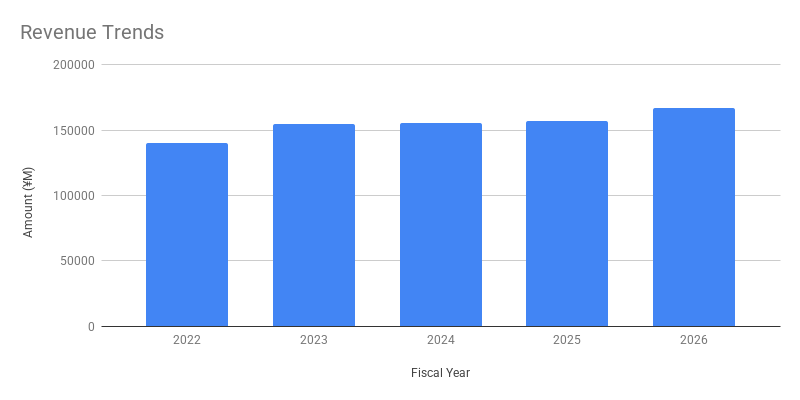
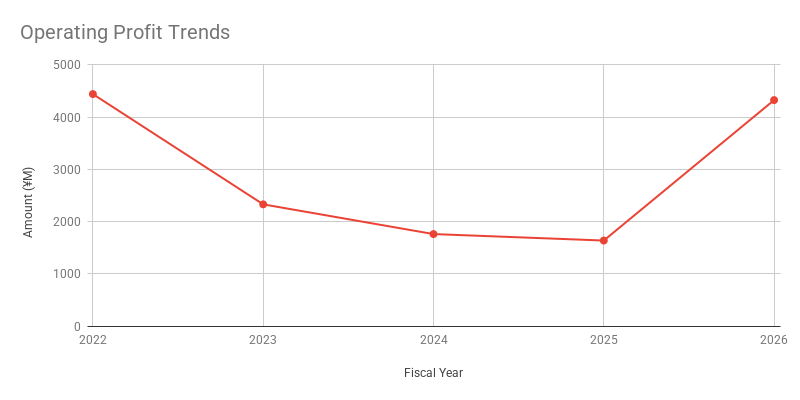
For the cumulative period ending February 2023 (March 2022–February 2023), TSI Holdings’ consolidated results recorded net sales of 154,456 million yen, representing year-on-year growth of approximately 10%.This growth was driven by the recovery in inbound demand and street fashion trends. In particular, the apparel-related business performed strongly, leading to increased revenue in the wholesale and e-commerce channels. Operating profit reached 2,329 million yen, although profit margins declined slightly due to some cost increases.Ordinary income rose to 3,859 million yen, and net income rose to 3,063 million yen, indicating a recovery in the company’s financial health. Forecasted revenue for 2024 is 155,383 million yen, with growth expected to slow slightly; the key to future performance lies in revising the cost structure through digital transformation and streamlining selling, general, and administrative expenses.Aiming for sustainable growth, TSI has formulated the “TSI Innovation Program 2027,” a medium-term management plan that promotes revenue structure reforms, the development of new brands, and expansion into overseas markets; measures based on this plan are expected to contribute to future performance improvements. Amid intensifying market competition, maintaining performance will require further effort, but the company is establishing a framework to respond flexibly to market trends and achieve sustainable growth.
2. Earnings Outlook for the Fiscal Year Ending February 2024
The earnings forecast for the fiscal year ending February 2024 projects net sales of 155,383 million yen, operating income of 2,500 million yen, ordinary income of 3,500 million yen, and net income attributable to the parent company of 3,012 million yen.While growth is expected compared to the results for the fiscal year ended February 2023, the growth rate is projected to slow. In particular, while the company aims to recover operating profit to 2023 levels, rising costs may still have an impact.TSI Holdings plans to review its cost structure and improve profit margins by advancing its digital shift and streamlining SG&A expenses. In particular, given the strong sales in the e-commerce market, strengthening online channels is considered key to the company’s performance. Additionally, the company plans to develop new brands and expand into overseas markets in 2024, which is expected to secure new revenue streams.As measures are required to respond flexibly to changes in the market environment and maintain competitiveness, TSI is establishing a framework to achieve sustainable growth. For investors, the recovery of business performance and the progress of growth strategies will be key points of focus.
3. Medium- to Long-Term Growth Strategy
TSI Holdings has formulated its medium-term management plan, “TSI Innovation Program 2027 (TIP27),” which provides a strategic framework for achieving sustainable growth. This plan sets targets of 165 billion yen in revenue, 10 billion yen in operating profit, and an ROE of 8.0% or higher. It outlines a policy to clarify the roles of each brand and concentrate investments on key brands.The goal of revenue structure reform is to improve profit margins through measures such as reducing procurement costs, optimizing supply and demand management, reviewing store revenue structures, streamlining core and e-commerce systems, and cutting SG&A expenses. The company is also prioritizing digital transformation and sustainability management, advancing the introduction of new materials to reduce environmental impact and the digitization of the supply chain.In terms of new business development, the company places particular importance on expanding into overseas markets and developing new brands, with the aim of enhancing its competitive advantage by strengthening its wholesale operations in Asian and European markets. Furthermore, TSI positions sustainability management as part of its corporate social responsibility, has set greenhouse gas reduction targets, and is actively pursuing sustainable business practices. This is expected to increase transparency for investors and enhance corporate value.Overall, TSI Holdings emphasizes its commitment to enhancing corporate competitiveness and pursuing sustainable growth through the integration of revenue structure reforms, investment plans, new business strategies, and sustainability management.
- For the fiscal year ending February 2023, cumulative revenue reached 154,456 million yen, representing approximately 10% year-on-year growth, with operating profit at 2,329 million yen,ordinary income of 3,859 million yen, and net income of 3,063 million yen. While sales growth is expected to slow to 155,383 million yen in the fiscal year ending February 2024, the company has formulated the “TSI Innovation Program 2027,” a medium-term management plan aimed at sustainable growth
- For the fiscal year ending February 2024, the company forecasts revenue of 155,383 million yen, operating profit of 2,500 million yen, ordinary profit of 3,500 million yen, and net profit attributable to the parent company of 3,012 million yen. However, the growth rate is expected to slow due to rising costs, and the company aims to improve profit margins through digital transformation, strengthening its e-commerce market presence, developing new brands, and expanding into overseas markets
- Based on its mid-term management plan, “TSI Innovation Program 2027,” TSI Holdings has outlined a policy to achieve sustainable growth through revenue structure reform, digital transformation, and sustainability management, with targets of 165 billion yen in revenue, 10 billion yen in operating profit, and an ROE of 8.0% or higher
Business Overview
1. Overview of the Business Model
TSI Holdings is a fashion company centered on women’s apparel that operates a diverse brand portfolio. Its main brands include “PEARLY GATES,” “Nano Universe,” and “MARGARET HOWELL,” all of which enjoy strong brand recognition both in Japan and overseas.At the core of its business model is an omnichannel strategy, and its strength lies in providing a consistent customer experience across diverse sales channels, including physical stores, e-commerce sites, and department stores.
The company covers the entire process from manufacturing to sales, pursuing product diversity and high quality tailored to customer needs. In particular, it is actively advancing digital marketing and digital transformation; by utilizing IoT technology for store operations and analyzing customer data, it is able to provide a more personalized customer experience. Furthermore, based on its “Beyond Apparel Only” strategy, the company is expanding into areas outside of fashion, building a diversified revenue base.
In this way, TSI, which prioritizes sustainable management and social value, emphasizes its commitment to fostering deep engagement with customers through fashion entertainment. Through this approach, the company aims to create new social value and achieve sustainable growth over the long term.
2. Main Business Segments
TSI Holdings’ operations are primarily classified into apparel-related businesses and other businesses. According to results for the fiscal year ending February 2024, apparel-related businesses accounted for 93% of revenue, forming the core of the entire group. Specifically, apparel-related revenue totaled 150.7 billion yen, with many flagship brands performing steadily in the market.
In contrast, the other business segments—which include sales agency services, staffing services, the manufacture and sale of synthetic resin products, the food and beverage industry, and cosmetics procurement—generated approximately 6.6 billion yen in revenue. These businesses play a complementary role to the apparel business, contributing to risk diversification and revenue stabilization.
Within the apparel-related business, the promotion of digital strategies and the integration of e-commerce sites play a key role. As a result, some brands are experiencing rapid growth, and an attractive product lineup is being offered to consumers. The company has established a foundation to achieve sustainable growth in the highly competitive apparel industry while responding to diverse market needs.
3. Market Position and Competitive Advantages
TSI Holdings has established a solid market position in the women’s apparel market. Its competitive advantage lies in its extensive brand portfolio, which allows it to diversify its customer base without relying on specific market segments and to offer products that cater to all lifestyles and preferences. Furthermore, the company has secured customer loyalty through its high reputation for quality and design.
TSI’s competitive advantage relies heavily on its omnichannel strategy. By ensuring that physical stores and e-commerce complement each other, the company provides customers with a seamless shopping experience, and consumers seek to deepen their relationship with the brand through multiple channels. In particular, the strategy of acquiring new customers through marketing initiatives utilizing influencers and social media contributes to differentiation from competitors.
Furthermore, TSI places a high priority on sustainable management and is working to build consumer trust by establishing a business model grounded in social responsibility. This approach is expected to help the company maintain sustainable competitiveness and ensure long-term brand growth.
4. Business Performance Trends
TSI Holdings posted strong financial results for the fiscal year ended February 2023, with net sales reaching 154,456 million yen, marking approximately 10% year-over-year growth. This growth was driven by the recovery in inbound demand and trends in street fashion. In particular, the apparel-related business showed healthy performance, with revenue from wholesale and e-commerce channels increasing significantly.
Operating profit reached 2,329 million yen, marking an increase from the previous year; however, profit margins declined slightly due to rising costs in certain areas. Nevertheless, non-operating income and extraordinary gains remained robust, resulting in an increase in ordinary profit to 3,859 million yen and net income to 3,063 million yen. The key to future performance lies in continuing to review the cost structure through digital transformation and the streamlining of selling, general, and administrative expenses.
Thus, amid signs of a recovery in earnings, TSI Holdings is putting in place a framework to respond flexibly to market trends and ensure sustainable growth. However, as competition remains intense, maintaining these results will require even greater effort.
5. Future Focus Areas
The key focus for TSI Holdings going forward is the execution of its sustainable growth strategy. Based on the “TSI Innovation Program 2027,” the company must concentrate on restructuring its apparel business and developing new brands. Additionally, strengthening customer touchpoints is a critical challenge amid the evolution of digital marketing and e-commerce sites.
Furthermore, as the provision of sustainable products will become increasingly important, the company must prioritize environmentally conscious product development. In addition, expansion into overseas markets is viewed as a key part of the strategy, with approaches to the U.S. and Asian markets in particular holding the key to growth.
TSI also plans to acquire new brands through M&A to strengthen its brand portfolio. The focus will be on how effectively these strategies are executed to contribute to future earnings growth. While striving to balance corporate social responsibility with growth, TSI Holdings must pursue sustainable growth and advance innovative initiatives.
In the business overview of TSI Holdings, a new perspective and challenges in the realm of “fashion entertainment” are required, and it is expected that initiatives aimed at achieving customer satisfaction and sustainable growth will continue to evolve. Through the strategic integration of each business division, the company is required to build a sustainable business model, and attention is focused on its future developments.
Financial Performance Trends
1. Recent Performance Overview
To achieve sustainable growth in the fashion and apparel industry, TSI Holdings must take into account the recovery from the COVID-19 pandemic and the impact of accompanying structural reforms when analyzing its performance from 2023 to 2025. According to the latest performance data, revenue for 2025 is projected to be 156,606 million yen, representing a slight increase (100.8%) from the previous year.However, the projected revenue for 2024 is 155,383 million yen, indicating a slight slowdown in growth, which is a point of interest for investors.
In particular, while the company aims for a smooth recovery in operating profit in 2024, it is currently recovering from a low base of 2,329 million yen in 2023. This indicates that overall performance is stabilizing as a result of the various measures implemented by the company. Furthermore, net income reached 3,012 million yen, which can be seen as evidence of the company’s restored financial health.Overall, it can be said that momentum for recovery from the COVID-19 pandemic is steadily taking shape. In line with this, the “TSI Innovation Program 2027,” a medium-term management plan spanning until 2027, has been formulated, and the company’s overall growth potential is expected to increase.
2. Analysis of the Income Statement
An analysis of TSI Holdings’ income statement reveals that while revenue is projected to grow slightly—from 154,456 million yen in 2023 to 155,383 million yen in 2024—the operating profit margin stands at 1.5%, remaining sluggish. This reflects the current situation, which requires addressing soaring costs and optimizing selling, general, and administrative expenses.While sales growth through 2025 is being driven particularly by sales in the online market, the fact that rising cost of goods sold is squeezing profits cannot be overlooked.
Regarding SG&A expenses, while cost efficiency initiatives are reportedly underway, they have remained essentially flat. To secure profits in the future competitive environment, more intensive improvements will likely be required. Additionally, managing extraordinary losses is seen as a future challenge; while extraordinary gains are on a downward trend, effective measures to improve profitability will be crucial. As a result, although ordinary income recovered to 5,834 million yen in 2023, a review of the sales structure and an improvement in profit margins remain necessary.
3. Balance Sheet Analysis
TSI Holdings’ financial position, as seen in the balance sheet, indicates a sound financial status in 2023, with current assets of 146,205 million yen and fixed assets of 63,589 million yen. In particular, cash and cash equivalents stand at 45,802.2 million yen, demonstrating stability and mitigating short-term financial risk.Furthermore, since net interest-bearing debt is negative, the company’s liquidity is strong, indicating financial stability.
On the other hand, there is a risk that investment activities necessary to support future growth may lag behind. In particular, a decline in capital expenditures could adversely affect asset utilization efficiency. While the debt ratio is relatively sound, the company will need to develop a funding strategy for new investments and M&A to support its growth. Therefore, how to utilize liquidity and improve asset utilization efficiency will likely become key challenges moving forward.
4. Analysis of the Cash Flow Statement
In TSI Holdings’ cash flow statement, it is noteworthy that cash flow from operating activities amounted to 5,717 million yen in 2023, indicating steady operations compared to historical data. In particular, cash flow from investing activities included cash generated from the sale of real estate and securities, demonstrating management efficiency by contributing to asset reduction.
Since free cash flow serves as a vital resource for future business expansion, the company should pursue investment strategies aligned with growth opportunities while maintaining sufficient liquidity. Furthermore, as operating cash flow continues to trend positively, it is essential to coordinate this with appropriate cost management. For the company to return to a growth trajectory, maintaining sales trends and investing in new sales channels are indispensable, making appropriate capital management crucial.
5. Analysis of Performance Indicators
Regarding financial performance metrics, ROE reached 14.9% in 2023, reflecting the effective utilization of the company’s capital. However, as ROA has yet to show signs of improvement, a reassessment of the company’s operational efficiency is becoming necessary. EBITDA has remained at a stable level, and whether the company can generate profits efficiently will be a key focus moving forward.
In particular, the equity ratio has improved steadily and remains at a high level, strengthening the soundness of the company’s capital structure. This enhances trust from investors and financial institutions, increasing the feasibility of investments in the company’s growth strategy. However, it will be necessary to comprehensively implement measures to improve ROE and EBITDA moving forward, and initiatives to maintain and enhance the company’s overall competitiveness are essential.
In the future market, a major challenge will be how TSI Holdings can maximize profits and achieve sustainable growth. In particular, sustained improvement in business performance is key to the growth strategy, and the entire company must work together to achieve this.
How the company’s management policies will function in future market competition is a key point of focus for investors, and the strategic execution of these policies will be a decisive factor in corporate value. This chapter aims to provide a detailed analysis of TSI Holdings’ performance trends and lay the groundwork for improving the company’s profitability. It is expected that the company will continue to respond swiftly to changes in market trends and the competitive environment and contribute to enhancing corporate value through a diverse range of measures.
Mid-Term Management Plan and Growth Strategy
1. Overview of the Mid-Term Management Plan
The medium-term management plan formulated by TSI Holdings, “TSI Innovation Program 2027 (TIP27),” provides a strategic framework for achieving the company’s sustainable growth. This plan builds upon the results of the previous medium-term management plan, TIP25, analyzes the factors behind unmet goals, and is positioned as a new starting point.The focus of TIP27 is to enhance the ability to adapt to changes in the business environment while achieving efficient operations through reforms to the revenue structure.
TIP27 sets forth the basic policies of improving “earning power” and strengthening customer touchpoints. Specifically, the company has set targets of 165 billion yen in revenue, 10 billion yen in operating profit, and an ROE of 8.0% or higher. To achieve these goals, the strategy involves clarifying the roles of each brand and concentrating investments on key brands. The results of these investments are expected to be realized through improved customer experiences and maximized brand value.
From an expert perspective, as company-wide operational optimization will be essential for future plans, the key will be how effectively synergies between brands are leveraged. From an investor’s perspective, the implementation of measures that promise long-term growth and profitability is likely to lead to increased value, but risk management in response to changes in the business environment is also necessary.
2. Revenue Structure Reform and Its Implementation
In TIP27, revenue structure reform is crucial for the company to achieve sustainable growth. This reform incorporates multiple measures, including reducing procurement costs, optimizing supply and demand management, reviewing store revenue structures, streamlining core and e-commerce systems, and cutting SG&A expenses. The objective of these measures is to control overall costs and improve profit margins.
In particular, reducing procurement costs is expected to enable competitive pricing by consolidating major suppliers and pursuing economies of scale. Furthermore, the review of store revenue structures involves optimizing staffing and operational efficiency to reduce fixed costs. This makes it possible to promote more efficient operations.
From an expert perspective, these measures are viewed not merely as cost-cutting efforts, but as long-term strategies to enhance the company’s competitiveness. Reforming the revenue structure strengthens the company’s financial position and contributes to securing sustainable cash flow, making it a key factor in mitigating risk for investors as well.
3. Investment Plan and Key Initiatives
A strategic investment plan is essential for realizing TIP27. TSI Holdings is focusing on three key initiatives: strengthening revenue structure reform, digital transformation, and sustainability management. A total investment of approximately 30 billion yen is planned for these initiatives.
Regarding the strengthening of revenue structure reform, efforts will be made to optimize procurement costs and reduce selling, general, and administrative expenses (SG&A). In particular, reviewing personnel and real estate costs is crucial for improving store profitability. Meanwhile, for the digital shift, key initiatives include the integration of e-commerce sites and the enhancement of marketing strategies utilizing AI. From the perspective of sustainability management, the company will introduce new materials aimed at reducing environmental impact and improve efficiency through the digitization of the supply chain.
Experts believe that if these measures prove effective, the company’s competitiveness will increase, ensuring sustainable growth. From an investor’s perspective, proactive investment in these areas is expected to contribute not only to short-term profits but also to long-term enhancement of corporate value.
4. New Business and Business-Specific Growth Strategies
TSI Holdings has adopted a strategy to promote corporate growth by focusing on the development of new businesses. In particular, expanding into overseas markets and developing new brands are positioned as key initiatives. For example, the company plans to strengthen its wholesale operations in Asian and European markets and roll out product lines tailored to local needs.
Regarding new brand development, the company aims to enhance its competitive advantage by launching product lines that offer “fashion entertainment” from a unique perspective. In particular, the strategy is expected to focus on street fashion and casual brands, introducing products that align with consumer trends.
From an expert perspective, while market diversification helps spread risk, thorough market research is essential for the success of new ventures. For investors as well, since growth in overseas markets directly leads to improved profitability, the progress of this strategy should be closely monitored.
5. Sustainability Management and Its Significance
TSI Holdings’ mid-term management plan emphasizes sustainability management as an essential element. The pursuit of sustainable business based on the company’s corporate philosophy is a critical approach amid growing environmental concerns and social responsibilities. Specifically, setting greenhouse gas reduction targets and identifying sustainable materiality serves to enhance transparency for investors.
From an expert perspective, sustainability initiatives are directly linked to strengthening the corporate brand. In particular, efforts to reduce environmental impact are expected to garner consumer support. For investors, as corporate social responsibility grows in importance, sustainable growth should be closely monitored as a factor contributing to long-term returns.
In this way, TSI Holdings is charting a course for sustainable growth through its mid-term management plan, “TIP27.” By integrating revenue structure reforms, investment plans, new business strategies, and sustainability management, the company is expected to enhance its competitiveness and increase its appeal to investors. Moving forward, it is essential to closely monitor the progress of these initiatives and maintain a commitment to pursuing growth in collaboration with all stakeholders.
News & Topics
1. Formulation of TSI’s Mid-Term Management Plan “TIP27”
TSI Holdings formulated a new mid-term management plan, “TSI Innovation Program 2027 (TIP27),” in April 2024. Drawing on lessons learned from the previous mid-term plan, TIP25, this plan outlines a policy for structural reform aimed at achieving sustainable growth. Since the underperformance of certain businesses contributed to the failure to meet growth targets under TIP25, TSI is promoting this plan as a fresh start.
TIP27 focuses on fundamental reforms to the revenue structure, reinvestment to return to growth, and the review and strengthening of the management foundation, with improving profitability and ensuring sustainability being key challenges. This plan reflects short- to medium-term strategies in response to intensifying competition and changing market conditions within the fashion industry.
From an investor’s perspective, the measures outlined in TIP27 are expected to lead to improved performance starting in fiscal year 2024, and the detailed definition of specific approaches to enhance profitability is commendable. This can be seen as the first step toward achieving sustainable growth.
2. Measures for Revenue Structure Reform and Their Impact
In TIP27, TSI has clearly stated that it will address five key themes to advance the reform of its revenue structure. Specifically, these include reducing procurement costs, optimizing supply and demand management, reviewing store revenue structures, streamlining core and e-commerce systems, and cutting selling, general, and administrative (SG&A) expenses. These measures are expected to contribute directly to profits, and the optimization of SG&A expenses, in particular, is projected to improve profit margins.
Revenue structure reform measures are expected to lead to improved performance in fiscal year 2024 and stabilize the company’s financial position in the short term. In the long term, these measures are expected to contribute to enhancing competitiveness and expanding market share.
For investors, the progress of this revenue structure reform is significant, and as the results of these measures become apparent, they have the potential to lead to shareholder returns and an increase in corporate value.
3. New Brand Strategy and Growth Prospects
TSI Holdings is building a strategic brand portfolio by concentrating management resources on high-growth brands. In particular, the popular brand “MARGARET HOWELL” continues to grow, with new collaborations and experiential events contributing to the expansion of its customer base. Through these efforts, high-profitability brands are being clearly positioned, while the withdrawal from low-profitability brands is proceeding. Meanwhile, the company is also considering M&A strategies aimed at developing new markets overseas.
TSI is actively developing new brands to enhance its competitiveness. This growth strategy is a particularly important approach in markets seeking product offerings that capture stable consumer demand. Investors should pay close attention, as the review of brand strategies and the development of new brands are likely to contribute to the company’s growth.
4. Sustainability Management and Corporate Responsibility
TSI Holdings places a high priority on corporate social responsibility (CSR) and environmental considerations, aiming for sustainable management. In particular, the company has set a specific goal of achieving carbon neutrality by 2050 and is strengthening its efforts to reduce greenhouse gas emissions. Additionally, by endorsing the TCFD recommendations and conducting scenario analyses for climate change risks, the company is promoting corporate transparency and ethical management.
Initiatives related to Environmental, Social, and Governance (ESG) are recognized as part of a sustainable growth strategy and are viewed as factors that enhance corporate value. For investors, amid growing interest in ESG, the fact that corporate social responsibility impacts a company’s competitiveness is a key consideration. Such initiatives are likely to serve as factors that enhance future investment value.
5. Expansion into Overseas Markets and Growth Strategy
TSI has announced plans to expand into overseas markets, with particular expectations for market development in the European market and the wellness and streetwear sectors in Asia. Plans to strengthen wholesale operations and open new stores in the European market are expected to enhance the company’s competitiveness in overseas markets. Additionally, the company is focusing on the U.S. and Asian markets and is implementing strategies to increase the brand’s international recognition.
Expansion into overseas markets is a key element of TSI’s growth strategy and tends to improve competitiveness from a global perspective. Investors should pay close attention to this overseas expansion, as it has the potential to drive corporate growth and generate new revenue streams.
6. Human Resource Development and Diversity Initiatives
TSI Holdings is also proactive in promoting employee development and diversity. In particular, the proportion of female employees is high, and there is a need to strengthen childcare support measures. The company’s policy is to enhance corporate value by prioritizing diversity and creating an environment where employees can thrive. At TSI, there is a growing understanding of the importance of human capital, and the company aims to establish diverse work styles.
Human resource development and diversity initiatives contribute to the enhancement of corporate culture and, as a result, serve as factors that boost the company’s competitiveness. For investors as well, it is important to consider that a company’s investment in human capital leads to sustainable growth.
7. Shareholder Return Policy and Growth Prospects
TSI places a high priority on returning profits to shareholders and aims for a dividend payout ratio of 30% or higher. The company has clearly outlined its plans to utilize retained earnings for share buybacks and new business initiatives, and its commitment to enhancing corporate value is highly regarded. Consequently, the company is expected to build shareholder trust through consistent dividend payments.
Shareholder return policies are a key factor in balancing corporate growth with dividends, and investors need to pay attention to the impact that dividend stability has on corporate valuation. A key point to watch is how TSI’s growth strategies and improvements in capital efficiency translate into shareholder returns.
Aiming for sustainable growth, TSI Holdings is evolving its strategy. Investors should closely monitor, from a multifaceted perspective, how these initiatives contribute to corporate value and social responsibility. It is anticipated that, through challenges in new markets and reforms to its revenue structure, TSI will maintain its leadership in the fashion industry and build a sustainable organizational culture.
Company Overview
1. Basic Corporate Information
TSI Holdings Co., Ltd. is a Japanese holding company headquartered in Akasaka, Minato-ku, Tokyo, engaged in diversified business operations centered primarily on the apparel sector. Established on June 1, 2011, the company was formed through the merger of Tokyo Style Co., Ltd. and San-A International Co., Ltd. Tsuyoshi Shimoji serves as Representative Director, President, and CEO, and the company’s strategic vision is being advanced under his leadership.TSI Holdings operates brands such as “PEARLY GATES,” “Nano Universe,” and “MARGARET HOWELL” both domestically and internationally, managing 739 stores and conducting e-commerce sales. Of particular note is the company’s adoption of an omnichannel strategy and its use of digital marketing to promote efficient business operations.
From an expert’s perspective, TSI Holdings has established an efficient management structure by specializing in the apparel business following its management integration. Such reorganization serves as a basis for investors to evaluate the company’s growth potential and stability. Furthermore, the company’s corporate philosophy is “to create global empathy and social value through the power of fashion entertainment,” and this perspective will be a key factor in the future competitive environment.
2. Business Activities and Structure
TSI Holdings’ core business is the apparel sector, with a particular focus on women’s apparel. The group comprises numerous affiliated brands, each aiming to capture market share in different segments. The business structure has successfully differentiated each brand, and by offering unique value, each brand has built its own customer base. Furthermore, through an omnichannel strategy, the company is streamlining logistics and customer service, enabling flexible responses to consumer needs.
This business model contributes to the company’s competitive advantage. According to experts, a vertically integrated business model not only ensures consistency from product development through to sales but also enables rapid market response. By simultaneously improving inventory management and customer satisfaction, this model is expected to support sustainable corporate growth.
3. Major Subsidiaries and Affiliates
Since the merger of Tokyo Style and San-A International, TSI Holdings has expanded its portfolio to include numerous subsidiaries and affiliates. Each of these companies focuses on different brands or market segments, thereby strengthening the group’s overall competitiveness. While business diversification through subsidiaries contributes to TSI Holdings’ risk mitigation, it is also a key factor in promoting the growth of each brand.
For investors, the existence of these subsidiaries serves as an indicator of heightened growth potential. In particular, as each company’s brand targets different consumer segments, this has the potential to improve overall revenue stability. Consequently, TSI Holdings is expected to continue strengthening its market position as an increasingly competitive company.
4. Geographic Expansion and International Strategy
TSI Holdings is actively expanding not only domestically but also into overseas markets. In particular, strategic expansion into Asian markets is crucial for anticipating future revenue growth. With a total of 739 stores, the combined domestic and overseas presence helps raise international brand awareness and foster customer loyalty.
Experts point out that overseas markets hold significant potential, and the growth potential in emerging markets is a factor that cannot be overlooked. Implementing appropriate strategies while taking market diversity into account will contribute to the company’s growth. In particular, the company is expected to strengthen its international competitiveness by combining marketing strategies based on local culture and consumer needs.
5. Organizational Structure and Workforce Composition
TSI Holdings has established an organizational structure that prioritizes diversity, and its management team comprises individuals with diverse backgrounds. Led by President and CEO Takeshi Shimoji, the management team leverages their respective expertise to address corporate challenges. This diversity not only enriches the corporate culture but also contributes to the generation of new ideas.
From an investor’s perspective, bringing together individuals with diverse backgrounds is expected to enhance creativity. To address the various challenges companies face, it is necessary to exchange opinions from different perspectives, and this serves as a key factor in enhancing the organization’s competitiveness.
6. Research and Development and Innovation
As TSI Holdings strives for sustainable growth, it is also placing a strong emphasis on research and development and innovation. Through initiatives such as “SCM Platform Innovation” and “Material Innovation,” the company is streamlining processes from product planning to sales and working to improve quality. Going forward, the development of new businesses leveraging technology is expected to be a key factor.
These efforts are essential for enhancing the company’s competitive advantage, and by developing products and providing services that meet consumer demands, the brand’s appeal is expected to be further strengthened. With this in mind, investors’ expectations for TSI Holdings’ future are rising.
7. ESG and Sustainability Initiatives
TSI Holdings has adopted “creating social value” as its corporate philosophy and places a high priority on ESG (Environmental, Social, and Governance) initiatives. In particular, given the growing environmental awareness, its sustainable management policies align with the needs of today’s consumers. Against this backdrop, the development of sustainability-conscious products and social contribution activities have been integrated into the company’s corporate strategy.
Experts note that as ESG compliance becomes a standard for corporate evaluation, TSI Holdings’ initiatives are expected to be a key factor in future market competition. Investors are paying close attention to this approach and are likely to recognize the connection between the company’s commitment to corporate social responsibility and its future growth.
TSI Holdings is a company that has evolved from recent business integrations and aims for growth while promoting brand expansion both domestically and internationally, as well as sustainable management. Expectations are high for its future prospects, and the message to investors is that it is important to look beyond short-term risks and focus on medium- to long-term growth. The company is expected to continue its efforts to establish itself as a resilient enterprise capable of weathering environmental changes and further enhance its appeal to investors.
Shareholder Returns
1. Dividend Policy and History
TSI Holdings has adopted a dividend policy aimed at the long-term enhancement of shareholder value. This policy emphasizes balancing corporate growth with the maintenance of a stable dividend level, with a dividend payout ratio set at 30% or higher.In particular, under the medium-term management plan “TSI Innovation Program 2027,” covering the fiscal years ending February 2025 through February 2027, the company aims to set the total amount of share buybacks at 10 billion yen and achieve a dividend yield (DOE) of 4% in the final year.
The dividend history over the past few years attests to the success of this policy.Although earnings fluctuated from 2020 to 2022, net income attributable to owners of the parent reached 3,063 million yen in 2023, establishing a solid foundation to support the dividend policy. In particular, the dividend of 65 yen per share for the fiscal year ending February 2024—a significant increase from the previous year—is a key indicator of the company’s commitment to shareholder returns.
A company’s dividend decisions are based not only on consideration for shareholders but also on strategic judgments that take into account its financial condition and future business development. Share buybacks are also important as a means of improving capital efficiency; they are believed to enhance investor confidence and serve as a catalyst for the company’s sustainable growth.Management aims to maximize shareholder value by targeting a PBR (price-to-book ratio) of over 1 and setting a ROE (return on equity) of 8%. Thus, stable dividends and shareholder return policies are valuable factors for investors with a long-term perspective.
2. Share Buybacks and Their Impact
TSI Holdings’ share buyback policy is positioned as a key measure to strengthen shareholder returns and improve capital efficiency. By repurchasing treasury stock, the number of outstanding shares is reduced, which is expected to improve EPS (Earnings Per Share) and BPS (Book Value Per Share), thereby increasing the value of existing shareholders’ holdings.
The medium-term management plan covering the fiscal years ending February 2025 through February 2027 outlines a plan to repurchase up to 10 billion yen in treasury stock over the three-year period, a measure designed to meet shareholder expectations. Implementing share buybacks allows the company to demonstrate its sound financial condition and future growth prospects to the market, which will likely be a key factor contributing to stock price stability.Overall, share buybacks also serve to reduce the cost of capital and improve the company’s financial foundation.
Furthermore, share buybacks in an uncertain market environment can serve as a factor that provides investors with a sense of security. TSI Holdings’ share buyback program is not merely a short-term measure; it is closely linked to the company’s medium- to long-term growth strategy and can be considered a key means of maximizing shareholder value. It is also conceivable that share buybacks provide shareholders with an opportunity to appropriately reevaluate the company’s value, and in the long term, they are expected to have the effect of strengthening the company’s competitiveness.
3. Total Payout Ratio and Financial Strategy
TSI Holdings places a high priority on the total return ratio in its shareholder return policies. The total return ratio is an indicator showing what proportion of a company’s earned profits is returned to shareholders; increasing this ratio helps build shareholder trust and raise investor expectations. In particular, conducting dividends and share buybacks in parallel creates diversity in the forms of shareholder returns and plays a crucial role in maintaining alignment with the company’s financial strategy.
Management has set a target ROE (Return on Equity) of 8% and aims to achieve shareholder returns based on solid performance while pursuing profitability. Additionally, the company is working to improve its equity ratio, implementing a shareholder return policy that maintains financial soundness. This is expected to foster trust among investors and create synergies that promote growth through business expansion and new investments.
By consistently generating stable profits, the company can provide shareholder returns from a long-term perspective. Therefore, TSI Holdings is required to pursue continuous improvement in business performance and continue to achieve sustainable management while balancing financial strategy with shareholder returns. By advancing shareholder return measures under a solid financial foundation, the company is expected to secure its competitiveness and enhance shareholder value.
4. Investor Communication and Shareholder Returns
Investor communication plays a crucial role in TSI Holdings’ shareholder return policies. By clearly providing information on its dividend policy and financial strategies regarding share buybacks, the company makes it easier for investors to understand its financial situation. This transparency is a fundamental element in building trust with shareholders and is essential for securing support for the company’s long-term growth.
Furthermore, information is provided to shareholders through regular earnings reports and IR (Investor Relations) activities. This makes it easier for shareholders to grasp the company’s growth strategies and initiatives aimed at shareholder returns, thereby facilitating investment decisions. If communication is sincere and trustworthy, it is expected to instill a sense of security in investors and result in increased loyalty to the company.
Furthermore, when implementing shareholder return measures, it is important for companies to demonstrate a willingness to accept feedback from investors. If the voices of shareholders can be reflected in management decisions, corporate strategies will better align with market needs, leading to sustainable growth. Many companies aim to ensure that two-way communication with investors contributes to enhancing corporate value through shareholder returns.
5. Medium- to Long-Term Outlook and Sustainability of Shareholder Returns
TSI Holdings’ medium- to long-term outlook regarding shareholder returns is outlined in conjunction with its growth strategy. Dividends and share buybacks, as shareholder return measures, are not merely a distribution of immediate profits but can also be viewed as investments in sustainable growth. The company envisions a path where the creation of new businesses and the strengthening of existing ones will lead to shareholder returns.
In particular, from 2025 to 2027, large-scale investments and strategic partnerships are planned to generate new profits. These initiatives are likely to improve profitability and, as a result, stabilize returns to shareholders. Furthermore, as the company grows, it is expected to gain the capacity to increase its dividend payout ratio, thereby strengthening shareholder confidence.
In summary, TSI Holdings maintains a stance of balancing growth and stability in its shareholder return policies. Its past performance, current initiatives, and future outlook are aligned, and the company is expected to continue enhancing its credibility as a firm that meets shareholder expectations. Shareholder returns are an integral part of the company’s growth strategy, and sustained efforts in this area are anticipated moving forward.
The capital accumulated by the company is robust enough to withstand market fluctuations, and by consistently executing shareholder returns, it is possible to maximize its potential value. As shareholders, it is important to understand this corporate stance and experience growth together with the company.
This chapter has detailed TSI Holdings’ shareholder return policies and track record. It has become clear that shareholder returns are not only a critical element in a company’s sustainable development but also a vital means of deepening relationships with investors. In the next chapter, we will explore the details of TSI Holdings’ growth strategies and risk management to examine the company’s future outlook.
Business Risks
1. Factors Affecting Business Performance
TSI Holdings’ performance is significantly influenced by trends in the fashion industry. This industry is highly sensitive to changes in consumer preferences and fashions, and revenue is particularly susceptible to seasonal trends. While sales reached 154,456 million yen in 2023, representing 104.7% year-over-year growth, sudden shifts in trends or a decline in consumer spending could negatively impact performance.The balance of supply and demand in the market, pricing strategies relative to competitors, and customer acquisition costs in the e-commerce market are also factors that cause performance to fluctuate. In particular, operating and shipping costs associated with the advancement of omnichannel operations cannot be ignored.
Furthermore, as the company is heavily dependent on economic conditions, factors such as an economic downturn or an increase in the consumption tax can directly impact sales. External factors such as climate change and pandemics may also cause supply chain disruptions, thereby threatening the stability of earnings. TSI Holdings must implement multifaceted strategies to mitigate these risks of performance volatility.
2. Industry-Specific Risks
The fashion industry presents numerous risks unique to TSI Holdings. The most significant risk is the rapid shift in fashion trends; particularly in the retail market, the ability to quickly identify trends and provide corresponding products in a timely manner is essential. In the increasingly competitive e-commerce market, price competition is likely to arise, making the optimization of product lines and the review of the brand portfolio indispensable.
Supply chain management is also a critical challenge, requiring the company to ensure cost control and quality in both raw material sourcing and manufacturing processes. Furthermore, as awareness of environmental issues grows, there is a demand for production methods and material selection that prioritize sustainability. From an international perspective, trade friction and political trends impact the entire industry, necessitating a swift response to changes in regulatory environments across countries.
3. Financial and Management Risks
TSI Holdings’ financial condition is directly linked to the company’s sustainability. According to 2023 data, revenue stood at 154,456 million yen and operating profit at 2,329 million yen, indicating somewhat sluggish performance; in particular, the rise in the debt-to-equity ratio is a cause for concern. However, with interest-bearing debt reaching 9,772 million yen, there is a risk that financial soundness could be threatened if the sustainability of recurring profits cannot be ensured.If management is unable to respond swiftly to market movements, there is a risk of losing competitiveness in the marketplace.
Furthermore, excessive shareholder returns could jeopardize long-term growth strategies. The company must also respond appropriately to the recent rise in ESG (Environmental, Social, and Governance) awareness; since this requires significant upfront investment, neglecting these efforts risks undermining the company’s competitiveness.
4. Risk Management Related to Sustainability
TSI Holdings places great importance on sustainability risks and has established a Risk and Compliance Committee. However, sustainability management encompasses not only the environment but also human rights and working conditions. If these issues come to light, they could directly impact the company’s reputational risk and negatively affect customer preferences. Given past cases where corporate labor environment issues have affected business performance, measures to mitigate this risk are essential.
Furthermore, as consumer awareness of ethical consumption grows, companies must shift toward environmentally friendly products and sustainable business models; failure to do so risks undermining corporate credibility. Therefore, the evaluation of ESG factors and the development of actionable strategies based on them are essential.
5. Market Competition and Intellectual Property Risks
The apparel market in which TSI Holdings competes is extremely competitive. While the development of unique brands and designs enhances a company’s competitiveness, the risk of imitation or infringement by other companies is ever-present. The management of intellectual property rights is critical, as claims for damages or contract terminations by third parties can have a significant impact on business performance.
Particularly as the company expands internationally, the risk of legal disputes increases due to differences in intellectual property laws across countries. Consequently, there is concern that resources will be required to protect the company’s intellectual property rights, leading to an increase in related costs.
6. Risks Related to Organizational Factors
For TSI Holdings’ organizational operations, management policies, goal setting, and securing human resources are essential. In particular, initiatives regarding employee health, diversity, and inclusion are required, and a lack of organizational culture or communication carries the risk of talent drain. It is essential for management to demonstrate leadership and improve the workplace environment.
If an organizational approach that leverages diversity is not promoted, the likelihood of falling behind in competition increases, creating a risk that could hinder corporate growth. Therefore, regular training and a review of the evaluation system are required.
End of Chapter
TSI Holdings must pursue a sustainable growth strategy while navigating market conditions and industry-specific risks. Strong risk management and flexible management are essential in response to significant factors affecting business performance. In addition to financial and operational risks, sustainability initiatives and organizational factors are also critical elements; investors must fully understand these risks and implement appropriate strategies.
Financial Charts