Japan Investment Advisor
Report Update:2026/06/05Location
Kasumigaseki Common Gate West Tower 21F, 3-2-1 Kasumigaseki, Chiyoda-ku, Tokyo
Business content
The company serves a diverse clientele by utilizing Japanese-style operating leases and a wide range of financial products. Since its establishment, the core of the company's business has been operating leases for aircraft, ships, and ocean transport containers, in which the company has established a unique competitive advantage.
Main Scheduled Dates
ーーー
Table of Contents
7172TSE Prime
Summary
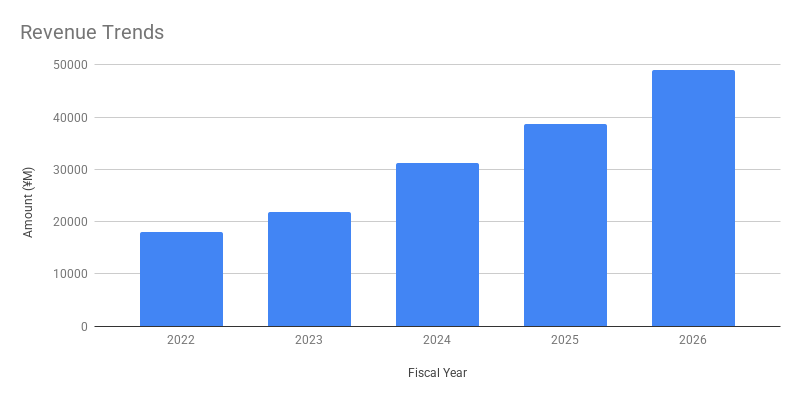
Japan Investment Advisor Co., Ltd. (JIA) is a company that offers a diverse range of financial products, primarily operating leases, as well as investments in environmental energy, real estate, and private equity.Since its establishment, the company’s aircraft and ship leasing businesses have formed its core operations, and its Japanese-style operating lease (JOL, JOLCO) financial products, in particular, have established a unique competitive advantage.In fiscal year 2023, revenue reached approximately 21.8 billion yen, marking a 120.9% year-on-year increase, while operating profit also showed a significant rise to approximately 5.5 billion yen.As part of its future growth strategy, the company places a high priority on strengthening its environmental energy business and private equity investments, with particular expectations for its approach to the renewable energy market.The medium-term management plan sets a target of achieving net income of 25 billion yen in fiscal year 2026 and outlines a policy of focusing on shareholder returns. Regarding business performance trends, the company is required to review its reliance on the operating lease business and diversify its revenue sources.For investors, the company’s growth potential, financial soundness, and risk management framework are key factors in their decision-making. In particular, appropriate responses to changes in the economic environment, industry-specific risks, overseas expansion risks, and ESG-related risks are required, and strategies to achieve sustainable growth are drawing attention.JIA is expected to establish itself as a highly reliable company by prioritizing transparent management and shareholder returns. It will be required to continue responding flexibly to market conditions and pursuing sustainable growth.
1. Overview of FY2023 Performance
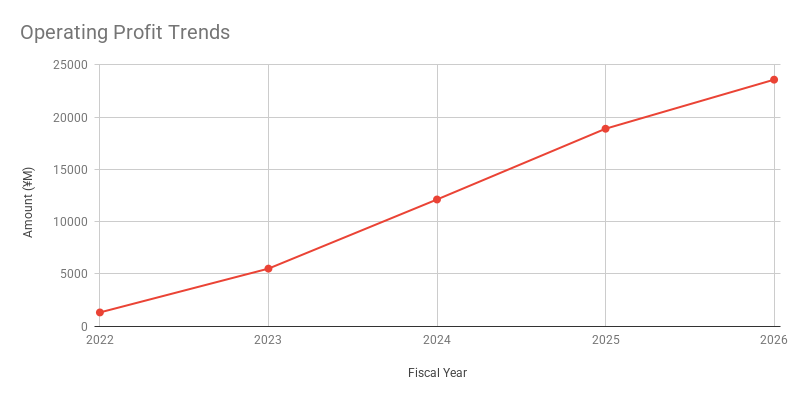
Japan Investment Advisor Co., Ltd. (JIA) recorded revenue of 21,818 million yen for the fiscal year 2023, achieving 120.9% year-on-year growth.In particular, the operating lease business accounted for over 70% of the total, with an increase in aircraft and ship lease contracts driving the results. Operating profit was 12,110 million yen, representing a significant year-on-year increase of 220.5%, and profit margins also improved.Net income for fiscal year 2022 increased by 136.5% from 4,412 million yen to 10,542 million yen, reflecting the success of operational efficiency improvements and diversification of asset management.As part of its future growth strategy, the company has outlined plans to achieve revenue of approximately 47,400 million yen and net income of 13,000 million yen by fiscal year 2026, and efforts toward sustainable growth are anticipated.An analysis of the income statement confirms that cost of sales remained at 9,631 million yen, and the gross profit margin has improved. On the balance sheet, current assets increased to 177,122 million yen, indicating improved liquidity, while fixed assets decreased, reflecting progress in asset liquidation.In the cash flow statement, operating cash flow remains at -18,101 million yen, indicating a challenging situation; however, investing cash flow stands at -12,115 million yen, reflecting large-scale investments, which are expected to expand the company’s future revenue base.In terms of financial metrics, the company plans to target an ROE of 25% or higher, and its growth strategy is an attractive factor for investors. Overall, JIA has achieved results exceeding its past performance, and it is expected to continue pursuing sustainable growth.
2. Fiscal Year 2026 Performance Outlook
Japan Investment Advisor Co., Ltd. (JIA) has set its FY2026 earnings forecast at approximately 47,400 million yen in revenue and 13,000 million yen in net income, and has formulated a strategy to pursue sustainable growth.In particular, the company aims to move away from a structure overly reliant on the operating lease business, positioning the strengthening of its environmental energy business and private equity investments as key pillars. This is expected to promote the diversification of revenue sources and help mitigate risk.Financial performance for fiscal year 2023 showed significant year-over-year growth, with the operating lease business accounting for over 70% of the total and serving as a stable source of revenue. Going forward, in addition to an increase in aircraft and ship lease contracts, the expansion of renewable energy-related funds is expected to drive revenue growth.The medium-term management plan prioritizes diversifying the customer base and developing new businesses, with a particular focus on providing financial products to small and medium-sized enterprises (SMEs) and strengthening measures to support regional economies. Through these initiatives, the company expects to diversify asset management services for both individuals and corporations, leading to further expansion of its market share.Efforts to comply with Environmental, Social, and Governance (ESG) standards are also underway, and contributing to a sustainable society is expected to be a key factor in securing a competitive advantage.Investors are expected to closely monitor the company’s growth strategies and financial condition to make informed decisions. Overall, JIA is a company that pursues sustainable growth and prioritizes shareholder returns in its management, and there are high expectations for its future development.
3. Medium- to Long-Term Growth Strategy
Japan Investment Advisors Co., Ltd. (JIA) has formulated a medium-term management plan covering fiscal years 2024 through 2026 and has set forth a policy of pursuing sustainable growth.This plan places a high priority on reducing reliance on the operating lease business and cultivating diverse revenue streams, with a particular focus on strengthening investments in environmental energy, real estate, and private equity. Specifically, the company aims to expand its customer base through the development of renewable energy-related funds and the provision of financial products to mid-sized and small-to-medium-sized enterprises (SMEs).Additionally, the company plans to allocate approximately 50 billion yen to capital expenditures and research and development, aiming to reduce costs and improve efficiency by advancing the digitization and automation of its business systems. Regarding risk management, the company will prepare for future uncertainties by appropriately assessing and responding to changes in the market environment and political risks, as well as by reviewing its business portfolio.The company aims to achieve a net profit of 25 billion yen in fiscal year 2026 and plans to increase its dividend payout ratio, demonstrating a strong commitment to shareholder returns. To achieve sustainable corporate growth, compliance with Environmental, Social, and Governance (ESG) standards is also critical, and the company will build trust with investors by promoting transparent information disclosure.Through these measures, JIA aims to enhance its market competitiveness and establish itself as a company committed to long-term growth.
- In fiscal year 2023, Japan Investment Advisor Co., Ltd. recorded revenue of 21,818 million yen and operating profit of 12,110 million yen, achieving year-on-year growth of 120.9% and 220.5%, respectively, and has outlined plans to pursue further growth in fiscal year 2026.
- Japan Investment Advisor Co., Ltd. is targeting revenue of approximately 47,400 million yen and net income of 13,000 million yen for fiscal year 2026. The company has formulated a strategy to diversify its revenue sources by moving away from the operating lease business and strengthening its environmental energy business and private equity investments.
- Japan Investment Advisor Co., Ltd. has formulated a medium-term management plan covering fiscal years 2024 through 2026, aiming to reduce its reliance on the operating lease business while strengthening its environmental energy, real estate,and private equity investments, with the goal of achieving net income of 25 billion yen in fiscal year 2026
Business Overview
1. Overview of the Business Model
Japan Investment Advisor (JIA) provides services to a diverse customer base by leveraging Japanese-style operating leases and a wide range of financial products. Since its establishment, the operating lease business targeting aircraft, ships, and maritime shipping containers has formed the core of its operations, within which it has established a unique competitive advantage.In particular, its Japanese-style operating lease (JOL, JOLCO) financial products contribute to the development of investment funds while utilizing specific lease terms and tax systems. This approach enables the company to expand its business targeting customers across various industries.
The company’s lease products promise high returns to investors, and it develops diverse investment products through the trading of leased aircraft and other assets. As a result, while flexible responses to customer needs are required, the company’s strategy—which builds on its track record in the aviation sector while also targeting growth in the environmental energy and real estate markets—is proving successful.Furthermore, the introduction of private equity investments and crowdfunding has created new funding channels, attracting a diverse range of investors seeking asset management opportunities.
This multifunctional business structure serves as the foundation for JIA’s competitive success in the market. Looking ahead, to further strengthen its competitiveness, the company must pursue sustainable growth while advancing the adoption of new technologies and optimizing cash flows.
2. Major Business Segments
JIA’s business is classified into four main segments: operating leases, environmental energy, real estate, and private equity investments. The operating lease business forms the core of the company, accounting for over 70% of the total.In particular, aircraft and ship leasing has established strong relationships of trust with domestic and international airlines and shipping companies, serving as a stable source of revenue. The company is advancing its approach in this sector by engaging in the trading of leased vessels and containers, as well as strategically shifting toward the used market.
The Environmental Energy business is rapidly growing as a sector expected to drive revenue growth, with initiatives in solar power and wood biomass energy developed in response to environmental needs. The company is also moving forward with the establishment of new funds, and its efforts to meet sustainable energy demand are being well-received.
The Real Estate Business is actively targeting individual investors, particularly through real estate fractionalization products. This strategy enables the company to provide services directly to customer segments beyond corporate clients, thereby diversifying its revenue base. In this way, with each segment working in close coordination and leveraging each other’s resources, sustainable growth is anticipated.
3. The Company’s Market Position and Competitive Advantages
JIA is a company that boasts a high market share in Japan’s operating lease market. Its market position is supported by trust-based relationships with customers cultivated over many years, unique financial product structures, and the ability to provide investment opportunities. In particular, the company offers Japanese-style operating leases (JOL, JOLCO), which have strengthened its position in specific markets.
The operating lease business forms the foundation of the company’s robust revenue model, and its ability to flexibly arrange diverse financial products and lease terms sets it apart from its competitors.Furthermore, the company is diversifying its business by actively launching funds and developing programs aimed at securing stable returns in the environmental and energy markets. This will enhance the company’s competitiveness in growing markets and serve as a foundation for building an even more secure revenue base in the future.
These competitive advantages serve as factors that support sustainable growth even in markets with unstable supply-demand balances. In an ever-changing market environment, JIA, as a forward-thinking company, is full of potential to continue enhancing corporate value together.
4. Performance Trends
In recent years, JIA’s performance has seen revenue reach approximately 21.8 billion yen in fiscal year 2023, achieving 120.9% year-over-year growth. In this context, the operating lease business accounts for over 70% of the total, making the future growth of other business segments a key factor.In particular, operating profit reached approximately 5.5 billion yen, representing remarkable growth of 423.1% year-over-year, driven by ongoing improvements in cost structure and operational efficiency.
The company is also responding swiftly to changes in the external environment, striving to improve profitability by pursuing real estate securitization and private equity (PE) investments while maintaining sound operations. Looking ahead, a shift toward further diversification of the customer base is expected to have a positive impact on business performance. JIA’s growth strategy will likely focus on meeting the needs of a rapidly changing market while securing sustainable earnings.
5. Future Focus Areas
A key focus for JIA going forward is securing new revenue sources beyond its operating lease business.In its mid-term management plan through fiscal year 2026, strengthening the environmental and energy business and private equity investments are positioned as key pillars. In particular, against the backdrop of growing demand for sustainable energy, the company is expected to pursue new growth markets related to renewable energy.
Additionally, the company needs to expand its customer base by offering financial products to small and medium-sized enterprises (SMEs) and strengthening measures to support regional economies. Through these initiatives, the company anticipates further diversification of asset management services for both individuals and corporations, leading to an expected expansion of its market share.Efforts to comply with Environmental, Social, and Governance (ESG) standards are also underway, and contributing to a sustainable society is expected to be a key factor in securing a competitive advantage.
It is necessary to closely monitor future performance trends and announcements of new strategies, while reinforcing the company’s commitment to pursuing sustainable growth. There is no doubt that JIA’s growth will have a significant impact on its stock price and investor confidence.
While JIA possesses a solid foundation in its operating lease business, it is a company aiming for further growth by advancing initiatives in environmental energy, real estate, retail financial products, and private equity investments. Expectations are high for its future developments.
Financial Performance Trends
1. Recent Performance Overview
Japan Investment Advisor Co., Ltd. (JIA) has achieved remarkable growth from fiscal year 2019 through fiscal year 2023, reaching revenue of 21,818 million yen in fiscal year 2023—the highest level recorded over the past five years.Factors contributing to this growth include the recovery of the operating lease business and the expansion of new business segments, with an increase in lease contracts for aircraft and ships playing a particularly significant role.Net income for fiscal year 2022 was 4,412 million yen, but it increased by 136.5% to 10,542 million yen in fiscal year 2023. Thus, an improvement in profits in line with the increase in revenue has been confirmed, suggesting that operational efficiency and diversification of asset management are paying off.
From an investor’s perspective, this growth is highly attractive. In particular, the company has set targets of approximately 47,400 million yen in revenue and 13,000 million yen in net income for fiscal year 2026, indicating that a strategy for sustainable growth has been established. If this growth trend continues, it will likely be a positive factor for investors seeking stable returns.
2. Analysis of the Income Statement
According to an analysis of the income statement, revenue for fiscal year 2023 was 21,818 million yen, representing a significant increase from the previous year.In particular, the operating lease business served as a key driver, and the profit margin improved from 38.9% in the previous year to 55.9%. This was driven by the optimization of lease contracts and efficient cost management.
Operating profit for fiscal year 2023 was 12,110 million yen, representing 220.5% growth compared to the previous year.Meanwhile, cost of sales remained at 9,631 million yen, and with gross profit reaching 12,187 million yen, the gross profit margin also improved. Although selling, general, and administrative expenses (SG&A) increased, this was driven by investments in employee training and new business ventures, so it did not put pressure on overall profits.
Regarding non-operating income, since interest income and equity in earnings of affiliates have decreased, the increase in operating profit has been the primary factor supporting the overall profit and loss. Based on these indicators, the company’s profit structure is sound, and continued growth is expected in the future.
3. Balance Sheet Analysis
In the analysis of the balance sheet, current assets as of December 2023 stood at 177,122 million yen, representing an increase from the previous year’s 136,963 million yen.Notably, increases in cash and accounts receivable are particularly evident, and attention should be paid to the improvement in liquidity. This ensures the stability of daily business operations.
On the other hand, fixed assets stood at 34,502 million yen, a decrease from the previous year, primarily due to disposals and sales. This indicates progress in asset monetization, which is having a positive impact on the execution of the company’s growth strategy.Total liabilities stood at 162,939 million yen, with interest-bearing debt remaining at a high level of 139,478 million yen; this reflects the financing required to support growth.
Net assets are also on an upward trend, reflecting efforts to strengthen the foundation of the company’s valuation. The soundness of the capital structure and liquidity should serve as pillars for future growth strategies.
4. Analysis of the Cash Flow Statement
From the perspective of the cash flow statement, the operating cash flow ratio for fiscal year 2023 remained negative at -18,101 million yen, indicating a continued challenging situation. This is attributable to an increase in accounts receivable and a decline in short-term profits, necessitating improvements in cash conversion cycle.However, with investing cash flow at -12,115 million yen, large-scale investments are underway, raising expectations for the expansion of the future revenue base.
Financial cash flow has improved due to an increase in long-term borrowings, and corporate bonds and long-term loans are serving as new sources of funding, thereby enhancing management flexibility. While the cash flow trends suggest the potential for new investments aimed at sustainable growth, it is important to note that a recovery in operating cash flow is required.
5. Analysis of Performance Indicators
In the analysis of performance indicators, the company plans to target a return on equity (ROE) of over 25%, and a high level is expected. In particular, the increase in net income reflects excellent business strategies and growth initiatives, and is highly likely to translate into future results.
Furthermore, metrics such as ROA (Return on Assets) and EBITDA are also showing an improving trend, indicating enhanced efficiency in asset management. The company is establishing a foundation for future growth through the development of new businesses while maintaining a sound financial position.
These metrics demonstrate the company’s strategic direction and strengthened management, providing grounds for investor support. The company can be evaluated as one that will continue to seek new growth opportunities based on a solid financial foundation.
The company’s performance for fiscal year 2023 has surpassed past results, and expectations are rising that it will continue to achieve sustainable growth while flexibly adapting to future changes in society and the market.It is important for investors to constantly monitor the company’s strategy and financial condition and make appropriate decisions. By not overlooking signs of growth and building an investment strategy based on long-term growth, it will be possible to share in the company’s profits.
Mid-Term Management Plan / Growth Strategy
1. Assessment of the Business Environment and New Challenges
Japan Investment Advisor Co., Ltd. has formulated a medium-term management plan covering fiscal years 2024 through 2026.This plan aims to address the rapidly changing economic environment and social challenges while pursuing sustainable growth. Specifically, in light of shifting customer needs and rising prices caused by the COVID-19 pandemic, the company recognizes the need to reduce its reliance on the operating lease business and cultivate diverse revenue streams.
According to experts, the current business environment is fraught with uncertainty, requiring companies to transform rapidly. In particular, expectations regarding social responsibility and sustainability are rising, and implementing measures to address these expectations will enhance corporate credibility. For investors, such management strategies are likely to contribute to future profits and are therefore a key point of interest.
2. Overview of the Mid-Term Management Plan and Key Initiatives
The Mid-Term Management Plan is based on four core businesses—operating leases, real estate, environmental energy, and private equity—and outlines specific measures for each. In particular, the plan emphasizes a diversification strategy aimed at securing new revenue streams from the operating lease business, with a specific focus on developing funds related to renewable energy and real estate.
Experts view this diversification as a means of spreading risk and building a management foundation capable of withstanding market fluctuations. Investors should take note, as the successful implementation of these measures is expected to lead to the company’s sustainable growth.
3. Investment Plan: Capital Expenditures and Research & Development
Under the medium-term management plan, the company plans to allocate a total of approximately 50 billion yen over three years to capital expenditures and research and development. Particular emphasis is placed on the procurement of aircraft and vessels to improve the efficiency of the operating lease business, as well as on strengthening the management of renewable energy assets.Furthermore, cost-reduction benefits are expected through the promotion of digitalization and automation of business systems.
This investment plan aims to establish a long-term revenue structure, demonstrating a stance that does not prioritize short-term profit-seeking. According to experts, such investments lay the groundwork for cultivating future growth engines and are necessary to secure a competitive advantage over other companies. Investors should place importance on the contribution these measures make toward sustainable management.
4. New Businesses and Growth Strategies by Business Segment
The development of new businesses is a key component of the company’s growth strategy. In particular, plans call for expanded investment in the environmental and energy sector, with the establishment and management of funds focused on renewable energy currently under consideration. Furthermore, to foster growth in private equity investments, the company intends to strengthen its investment in mid-sized and small-to-medium-sized enterprises (SMEs), thereby contributing to the regional economy.
Experts point out that these business initiatives address market needs, and the creation of new market opportunities for investors is a major source of optimism. Securing a diversified revenue base is a key strategy that contributes to the company’s sustainable growth.
5. Risk Management and Implementation Framework
The approach to risk factors outlined in the medium-term management plan is essential for realizing the company’s growth strategy. Appropriate assessment and countermeasures are required in response to changes in the market environment, political risks, and economic factors. By conducting risk assessments and reviewing its business portfolio and resource allocation, the company can prepare for future uncertainties.
Some experts argue that the ability to accurately identify and appropriately address risks is a key factor in enhancing a company’s competitiveness. Investors’ long-term investment decisions will likely be influenced by their assessment of the robustness of the risk management framework a company has established.
6. Results and Expected Effects
This medium-term management plan aims to achieve net income of 25 billion yen by fiscal year 2026, thereby establishing a highly profitable business structure.In particular, the company plans to increase its dividend payout ratio, demonstrating a strong commitment to shareholder returns. The achievement of these profit targets is supported by other initiatives and will ensure the company’s continued growth.
According to expert analysis, securing high profits is a major factor in enhancing corporate credibility and improving returns for shareholders and investors. Investors need to closely monitor the company’s transparency and execution capabilities throughout the process of achieving these profit targets.
7. Vision for the Future
Ultimately, the company’s medium-term management plan presents a clear vision for sustainable growth. The shift toward environmental energy and the expansion into new business areas will serve as factors that enhance the company’s competitive advantage. Furthermore, social contributions rooted in the company’s management philosophy are increasingly likely to enhance its brand value.
Experts note that corporate adaptability will be essential in the post-COVID era, and attention is focused on the results this growth strategy will deliver. Investors are likely to engage with the company, anticipating the long-term returns that will result from the realization of this vision.
Initiatives aimed at the company’s sustainable growth and development are being strategically executed while fulfilling responsibilities to customers and society. Such growth strategies based on a medium-term management plan will serve as a crucial step toward establishing a solid position in future market competition.
News & Topics
1. Formulation of the Mid-Term Management Plan and Its Significance
On July 31, 2023, Japan Investment Advisor Co., Ltd. (JIA) announced its mid-term management plan covering fiscal years 2024 through 2026.This plan aims to improve the company’s profitability and diversify its operations, with a target of 25 billion yen in net income for fiscal year 2026.Furthermore, the company aims for a net profit margin of 36%, indicating expectations of high profitability. In addition, with a dividend payout ratio of 25% of net income attributable to parent company shareholders, the company is also committed to shareholder returns. Such a plan is expected to enhance corporate transparency and gain the trust of investors.
Experts point out that setting clear numerical targets is a critical factor in corporate growth. In particular, it is clear that this plan is a strategy designed to achieve risk diversification and sustainable growth, as it involves not only the pursuit of profits but also expansion into other business segments in addition to the operating lease business.From an investor’s perspective, this plan will serve as a key indicator of the company’s growth potential.
While improved performance is expected in the short term, the company will need to respond flexibly to changes in the market environment and competition in the medium to long term. Given the company’s historically unstable growth rates, the key to its future success will be its ability to achieve sustainable growth.
2. The Importance and Future Prospects of the Operating Lease Business
For JIA, the operating lease business is its core operation and serves as a stable source of revenue. However, the need to reassess the company’s reliance on this segment has emerged.Operating leases are susceptible to the influence of specific industries and market conditions, making the diversification of the business model an urgent priority. Given this situation, the company must move forward with securing new revenue streams with a view toward fiscal year 2026.
Specifically, it is important to apply the fund management expertise cultivated through aircraft leasing to other assets and develop a diverse customer base. Such measures are expected to address the diversification of customer needs and lead to the securing of stable cash flow.Furthermore, reducing reliance on JOL and JOLCO—Japanese-style operating lease financial products—is significant from a risk hedging perspective.
From an investor’s perspective, while strengthening the operating lease business remains important, pursuing other revenue sources and diversifying the business portfolio will help spread risk and raise expectations for the company to continue its sound growth. In the long term, the image of a company pursuing sustainable growth is expected to further enhance its appeal as an investment target.
3. Development of New Financial Products and Market Competition
In its medium-term management plan, JIA is advancing the development of new financial products. In particular, the launch of investment funds for renewable energy-related businesses has been identified as a key initiative, reflecting the recognition that addressing environmental issues is part of corporate social responsibility. This move is a key factor in enhancing the company’s competitive advantage and promoting differentiation in the market.
Experts point out that offering financial products specifically designed to address environmental issues not only meets societal needs but also generates significant interest among investors.Furthermore, expanding investment targets to include real estate and private equity funds increases the potential to target a diverse range of investors. The development of such financial products ensures sustainable corporate growth and serves as a major driver for customer acquisition.
From an investor’s perspective, a key consideration is the extent to which the launch of new financial products contributes to corporate growth. Companies that can adapt flexibly to market conditions and meet diverse customer needs are expected to grow in the future. This allows investors to pursue stable returns, making proactive positioning essential.
4. Strengthening Capital Policy and Its Impact
From 2024 to 2025, JIA is conducting a capital increase through a commitment-based rights offering. Through this, the company has raised 10,342 million yen, and plans are underway to allocate these funds toward business expansion and new investments.This fundraising is seen as a measure to enhance transparency for shareholders and also serves to strengthen the company’s financial foundation.
Experts note that the funds raised are expected to contribute to the expansion of the operating lease business and the development of new business ventures. Strengthening the capital structure is expected to improve the equity ratio, which will also lead to increased shareholder value. This, in turn, will serve as a factor in boosting investor confidence.
From an investor’s perspective, an appropriate review of capital policy serves as the foundation for corporate growth. It is crucial for future investment decisions to pay attention to the transparency of fundraising and how the raised funds are utilized. Assessing the potential impact of the chosen capital policy could influence long-term investment returns.
5. Strategies for Responding to Changes in the Economic Environment
Amid the current Japanese economic climate, where manufacturing output is weakening and uncertainty surrounds the economic outlook, JIA is advancing its social contributions through financial services. To respond to fluctuations in the economic environment, JIA’s policy is to promote corporate growth and boost the overall economy by providing financial support, particularly to mid-sized and small-to-medium-sized enterprises (SMEs).
Experts point out that flexible business operations adapted to changes in the economic environment are key to maintaining competitiveness. In particular, as soaring raw material and energy costs impact corporate management, there is a growing need to build sustainable business models. Adapting to this environment is expected to lead to stable growth.
For investors, it is important to assess the impact of changes in the economic environment on corporate performance. How JIA addresses these environmental changes and enhances its competitiveness will be a factor that directly influences future investment decisions. The company is expected to play a role in achieving sustainable growth.
Overall, JIA’s medium-term management plan and new business initiatives are expected to contribute to improved performance and enhanced competitiveness. Investors must pay close attention to these developments and changes in the economic environment, and make long-term investment decisions after carefully considering the company’s growth potential.
Company Overview
1. Basic Information (Company Overview, Location, etc.)
Japan Investment Advisors Co., Ltd. (JIA) is a financial investment company headquartered in Minato-ku, Tokyo, and listed on the Tokyo Stock Exchange Prime Market. It was established in 1961, and its President and CEO is Naoto Shiraiwa.The company’s primary businesses include fundraising and asset management. It offers a wide range of services, such as operating leases for aircraft, ships, and maritime shipping containers; solar power plant operations as part of its environmental energy business; real estate operations; private equity investments; and securities and asset management.
JIA targets investors nationwide, particularly small and medium-sized enterprises, and aims for sustainable growth by leveraging its network of financial institutions and tax and accounting firms. In particular, as the company seeks to expand into new growth areas—as evidenced by its launch of the structuring and sale of fractional real estate products in fiscal 2023—it is expected to have significant growth potential.Going forward, the company is expected to formulate a medium-term management plan covering fiscal years 2024 through 2026 and strive to further improve profitability and return profits to shareholders.
2. History and Key Milestones
JIA was established in May 1961, initially starting as the engineering division of Toyo High Pressure Industries Co., Ltd. At that time, the company had a capital of 300 million yen and operated under the name “Toyo Engineering Co., Ltd.”In 1979, the company changed its name to its current one following a merger with another company. It was listed on the Second Section of the Tokyo Stock Exchange in 1980 and was transferred to the First Section in 1982.
Throughout its history, JIA has sought to expand into international markets, establishing numerous subsidiaries and launching new business ventures.In particular, the company established new bases in the United States and India in 1986, and has been strengthening its leasing business since the 1990s; the purchase of the Boeing 737 MAX 8 in 2017 symbolizes its full-scale entry into the aircraft finance business.In recent years, the company has been diversifying its businesses and services, including entering the securities business by making Sankyo Securities a subsidiary in 2021 and launching the sale of real estate fractionalization products in 2023.
3. Organizational Structure and Key Management
JIA has established an organizational structure capable of responding flexibly to customer needs and market changes.Led by Representative Director Naoto Shiraiwa, the organization is guided by a management team with specialized expertise in each business division. Drawing on his extensive experience in the financial industry, Mr. Shiraiwa is driving the company’s vision, focusing on environmental energy and real estate as new growth areas.
Furthermore, JIA is committed to employee development, actively recruiting and nurturing talent with a global perspective. This strengthens the company’s organizational capabilities and establishes a foundation for maintaining competitiveness in the market.Amid growing demands for transparent and trustworthy business operations, the company is also focusing on creating a work environment that reduces employee burden, continuing its efforts to fulfill its corporate social responsibilities.
4. Research and Development Framework and Innovation
JIA is strengthening its research and development framework and actively promoting technological innovation to achieve sustainable growth.As part of its corporate philosophy, JIA has set the goal of “contributing to the realization of a sustainable global society.” In particular, within its environmental and energy business, the company places a strong emphasis on the adoption of renewable energy and the development of new technologies. These initiatives not only help maintain competitiveness but also contribute to social good.
Furthermore, the real estate fractionalization products and environmental energy-related services provided by JIA create new investment opportunities in response to changing market needs, which in turn leads to positive market valuation. This allows investors to build long-term relationships with a sustainable company.The company has established a system that fosters a culture of innovation throughout the organization, responds flexibly to market changes, and constantly strives for growth.
5. ESG and Sustainability Initiatives
In recent years, corporate ESG (Environmental, Social, and Governance) initiatives have gained significant importance, and JIA is also pursuing sustainable management in line with this trend. In particular, expanding our environmental and energy businesses and offering sustainable investment products not only contributes to enhancing corporate value but also fulfills our responsibility to society as a whole.
Furthermore, JIA promotes transparent information disclosure and strives to build trust with investors. This allows investors to feel confident in the company’s actions and makes it easier for them to make investment decisions that prioritize sustainability. It is a crucial factor for investors that JIA continues to implement long-term growth strategies with a forward-looking perspective.
6. Geographic Expansion and International Strategy
With the domestic market as its foundation, JIA has adopted a strategy that also takes international business expansion into account. Its track record of launching new business ventures in the United States and India demonstrates its growing international competitiveness. Going forward, the company is expected to establish sustainable business models while addressing market needs in these regions.
In particular, the operating lease business is expected to experience rapid growth in response to large-scale international demand, and further growth is anticipated as overseas investments and strengthened relationships with business partners progress. Such expansion has the potential to enhance the company’s competitiveness and lead to increased returns for investors.
Overall, Japan Investment Advisor possesses appeal as an investment target due to its diverse business operations and commitment to sustainability, yet it must address future challenges. The company’s ability to maintain its current growth trajectory while appropriately responding to changes in the market and environment is expected to drive future growth.
Shareholder Returns
1. Dividend Policy and Its Significance
Japan Investment Advisor Co., Ltd. (hereinafter “the Company”) places a high priority on shareholder returns and has established a basic policy of paying stable dividends linked to business performance. Under this policy, the Company has set a target to return at least 25% of net income attributable to owners of the parent as dividends, with the aim of enhancing long-term shareholder value.Dividends are paid once a year, and the Company has taken a flexible approach that takes past performance into account.
Looking back at the Company’s dividend history, a dividend of 32 yen per share was paid in fiscal year 2023. This reflects transparent management that maintains a commitment to shareholder returns even when net income falls short of projections. In particular, the increase in the dividend payout ratio demonstrates the Company’s intent to build trust with shareholders.The company’s commitment to continuing shareholder returns while still prioritizing retained earnings serves as a foundation for future growth.
From an investor’s perspective, the company’s dividend policy is considered highly reliable and a factor that allows for the expectation of stable returns. It is particularly noteworthy that by establishing clear criteria for its dividend policy, the company maintains investor confidence even when business performance is unfavorable. Financial soundness and communication regarding shareholder expectations are prioritized, requiring a balance with the accumulation of retained earnings.
2. Changes in Dividend History
The Company’s dividend history has consistently demonstrated stability, but a particularly noteworthy trend in recent years is the rise in the dividend payout ratio. The payout ratio for fiscal year 2023 has been set at 40%, and the Company has emphasized its policy that this ratio is ultimately expected to fluctuate in line with business performance.Dividends have been paid steadily over the past few years, with a dividend of 87 yen per share planned for 2025 in particular.
A high-dividend policy serves as a signal to shareholders and is also an important indicator of the company’s sound growth strategy. However, last fiscal year, when the dividend payout ratio reached an exceptional 300.52%, there may be inherent risks. If profits decline, there is a risk that retained earnings will become insufficient, potentially impacting future growth investments, so caution is required.
It is crucial for companies to regularly review their dividend performance and implement measures to maintain a sustainable foundation for growth. For investors, dividends are an important selection criterion, so there is an expectation that the company will continue to deliver stable results in the future. Such a dividend policy can enhance corporate transparency and contribute to building a relationship of trust with shareholders.
3. Share Buyback Strategy
Share buybacks are part of the shareholder return measures adopted by Japan Investment Advisor Co., Ltd., aimed at enhancing shareholder value and optimizing capital efficiency. This measure is expected to reduce the number of outstanding shares and improve earnings per share (EPS).Under our plan, share buybacks are expected to be implemented when surplus funds are available, with the aim of gaining the trust of shareholders.
The timing of share buybacks is critical; ideally, they should be conducted when the market price is undervalued. Buying back shares sends a positive signal to the market and offers attractive terms to certain investors. This demonstrates the company’s commitment to shareholder value and serves as a factor in enhancing market confidence.
Going forward, if share buybacks proceed within the investment structure planned by the company, they will not only contribute to enhancing shareholder value but also lead to an improvement in ROE, creating a mutually reinforcing relationship between the company’s overall growth strategy and its share buyback initiatives. Therefore, share buybacks are positioned as a key measure in the pursuit of sustainable growth.Investors should also pay attention to the impact that the progress of share buybacks has on stock prices.
4. Total Return Ratio and Financial Soundness
Japan Investment Advisor Co., Ltd. is examining the total return ratio, an indicator representing the combined total of profit returns through dividends and share buybacks. The objective is to provide transparency regarding long-term profit distribution in conjunction with the company’s growth strategy. Furthermore, the recommended total return ratio should be raised gradually based on business performance.
Under the current medium-term management plan, the company intends to strengthen shareholder returns alongside the increase in consolidated revenue from fiscal year 2024 through fiscal year 2026.In particular, with net income projected to exceed 25 billion yen, it is necessary to secure internal reserves while increasing the total shareholder return ratio. This will enable the company to address future uncertainties and establish a solid foundation for making growth investments with confidence.
Consistency with financial soundness is essential for corporate sustainability. Management must make decisions with a broad perspective to ensure that high dividends and share buybacks do not adversely affect the company’s financial foundation.Investors must make more informed decisions by closely monitoring financial indicators and evaluating the relevance of shareholder returns. As long as a sound financial position is maintained, shareholder returns will serve as the foundation for future growth.
5. Communication with Investors and Expectations
Japan Investment Advisor Co., Ltd. places a high priority on transparent communication to strengthen its relationship of trust with shareholders. This approach is also crucial regarding shareholder returns, and investors are required to accurately grasp the company’s intentions and policies. When a company effectively communicates its vision and initiatives, it enhances shareholder trust and secures long-term support.
Investors must go beyond mere numerical comparisons to understand a company’s dividend policy and sustainability, making investment decisions based on future performance outlooks. In particular, strategic approaches—such as how a company returns profits and secures funds for growth—are key factors that appeal to investors.
Measures to strengthen shareholder returns within a medium-term management plan should be implemented coherently as part of the company’s overall strategy, which is expected to help build trust among shareholders and the market. For shareholders, closely monitoring the progress of future management policies and shareholder return initiatives is a key factor in improving investment returns.
In external communications as well, a commitment to providing transparency and predictability is required to enhance the company’s reputation and implement measures that do not disappoint investor expectations. Therefore, by staying informed about the company’s stance and policies, investors should be able to adapt flexibly to changes and enjoy a trustworthy investment environment.
In pursuing corporate growth, shareholder return initiatives are an indispensable element and form the foundation for building good relationships with shareholders. As long as transparent communication continues, the company will undoubtedly receive positive evaluations regarding shareholder expectations, and its future value will increase.
Moving forward, Japan Investment Advisor Co., Ltd. must continue to aim for sustainable shareholder returns and promote management based on trust. Working to enhance corporate value while implementing shareholder returns will be the key to establishing a win-win relationship for both the company and investors.
Business Risks
1. Factors Affecting Business Performance
The business performance of Japan Investment Advisor Co., Ltd. consists of the operating lease business, the environmental energy business, the real estate business, and the private equity investment business.These operations are highly dependent on the economic environment, demand, and competitive conditions. In particular, the operating lease business is strongly influenced by demand for aircraft and maritime shipping containers. While the likelihood of increased orders rises during economic growth, there is a risk of declining revenue during economic downturns.
In the environmental energy business as well, policy changes and fluctuations in market demand are key factors affecting sales. Particularly in situations where government support for renewable energy is directly linked to the success of the business, policy changes could threaten the business.In the private equity investment business as well, market and economic conditions exert an influence, and since the outcomes of IPOs and buyouts directly impact revenue, a constant vigilance toward external factors is required.
Investors must understand these factors affecting business performance and recognize the importance of a diversified business portfolio for risk hedging. In particular, when each business division generates synergies with one another, the likelihood of stable overall performance increases. From this perspective, companies are required to enhance their ability to gather information on market trends and strengthen risk management.
2. Industry-Specific Risks
Risks faced by the industry as a whole include, in particular, the pace of technological innovation, regulatory changes, and intense competition.In the energy and environmental sectors, the transition to next-generation technologies is an urgent priority, and companies unable to adapt face a very high risk of losing their competitive edge. Furthermore, changes in the regulatory environment—particularly the introduction of new regulations associated with the push for carbon neutrality—could also impact corporate management.
As the competitive environment intensifies, while large corporations provide standardized services, small and medium-sized enterprises are expected to offer differentiated technological capabilities and services.Furthermore, for multinational corporations, country risk is a significant factor, and it cannot be denied that political instability and regulations in different countries may directly impact corporate performance. In particular, risks may increase in emerging markets due to lagging legal frameworks.
To address these industry-specific risks, companies must formulate flexible strategies and adopt the latest technologies through alliances and partnerships. Furthermore, it is essential to strengthen internal management systems and focus on compliance. It is important for investors to closely monitor how companies are responding to this environment.
3. Financial and Operational Risks
Financial and operational risks pose significant challenges, particularly for Japan Investment Advisors.Recent financial data indicates an increase in interest-bearing debt, raising concerns that this could negatively impact corporate cash flow. High levels of interest-bearing debt imply increased interest payments, which could place further strain on cash flow. In particular, a decline in the equity ratio can damage external credibility and make fundraising difficult.
Furthermore, from a corporate governance perspective, it is necessary to consider that compliance violations can lead to liability for damages and litigation risks. For example, data breaches or legal violations would deal a serious blow to the company’s reputation.Furthermore, there is a risk of resource wastage resulting from management errors. To avoid this, market research and risk assessments must be thoroughly conducted.
Human resource management is also a significant risk factor. If the company is unable to secure talented personnel, there is a high probability that overall corporate performance and competitiveness will decline. As a technology company in particular, cultivating personnel with specialized expertise is essential for maintaining our competitive advantage. Investors must closely monitor the risk management measures a company has in place and evaluate the feasibility of its long-term growth strategy.
4. Risks Associated with Overseas Expansion
Japan Investment Advisor Co., Ltd. is considering expansion into overseas markets, but this entails various risks.Geopolitical risks are a factor that requires particular attention, as political stability and differences in legal systems across regions can have a direct impact on business operations. Economic trends in major markets, such as the United States and China, have a significant impact on Japan’s business environment, so a proactive approach to analyzing market trends is essential.
In addition, foreign exchange risk is a significant consideration when expanding overseas. Since fluctuations in the yen exchange rate affect the revenue and costs of lease contracts, profit margins may fluctuate significantly due to external factors.Furthermore, business continuity risks stemming from infectious diseases cannot be overlooked. Pandemics, in particular, have been shown to have a devastating impact on the travel and transportation industries, necessitating strategies that account for these risks.
Investors need to closely monitor companies’ overseas strategies and the strengthening of associated risk management. In particular, the ability to respond sensitively to geopolitical changes will likely be a key factor contributing to future growth.
5. ESG-Related Risks
Recently, investor interest in corporate sustainability and Environmental, Social, and Governance (ESG) issues has been growing.In response to this trend, Japan Investment Advisor Co., Ltd. must also prioritize ESG compliance. In the renewable energy sector, in particular, stricter environmental regulations are imminent, requiring a review of business strategies to address these changes. If a company neglects environmental considerations, it risks losing the trust of customers and investors.
Furthermore, failure to fulfill social responsibilities may lead to negative evaluations from a sustainability perspective. In particular, companies facing social issues face an increased risk of reputational damage through various media and social media channels. Regarding governance, a lack of transparency may give rise to legal risks and distrust from investors.
It is essential for investors to understand the potential impact of improper ESG risk management and to scrutinize companies’ ESG policies and their implementation. We must recognize that we have entered an era where the formulation of strategies focused on sustainable growth directly impacts investment returns.
6. Natural Disasters and Geopolitical Risks
Natural disasters and geopolitical risks are highly likely to directly impact a company’s operations and financial condition. Japan, in particular, is located in a region prone to frequent natural disasters, posing business continuity risks. Natural disasters such as earthquakes and typhoons can cause infrastructure damage and supply chain disruptions, threatening business operations.
Furthermore, geopolitical risks can have a significant impact on international economic activities. Political tensions and conflicts can affect international relations, potentially causing disadvantages for corporate imports, exports, and international transactions. In particular, companies expanding overseas must take these risks into account and recognize them as factors that increase business volatility.
It is important for investors to fully understand the potential impact of natural disasters and geopolitical risks and to evaluate companies’ self-protection measures and business recovery plans from this perspective. Since inadequate risk management can deal a severe blow to a company’s performance, investors must exercise caution when making investment decisions.
The business risks described from these perspectives are critical for Japan Investment Advisor Co., Ltd. to maintain sound growth into the future.A robust risk management framework to overcome adversity is also essential for building investor trust, and the company must maintain a proactive stance in constantly assessing the impact of each risk factor on its operations. This will enable the company to achieve sustainable growth and lay the foundation for meeting investor expectations.
Financial Charts